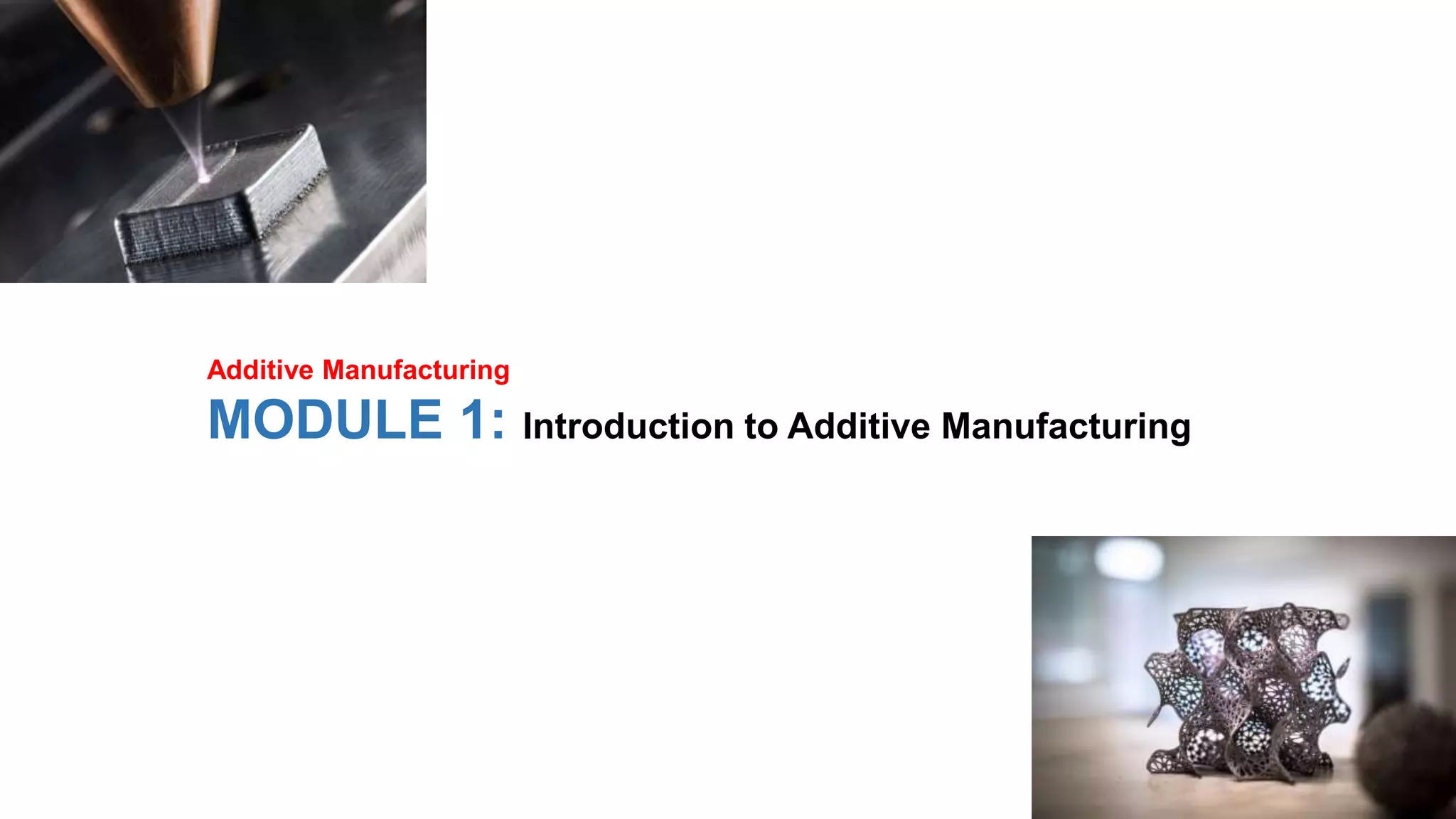
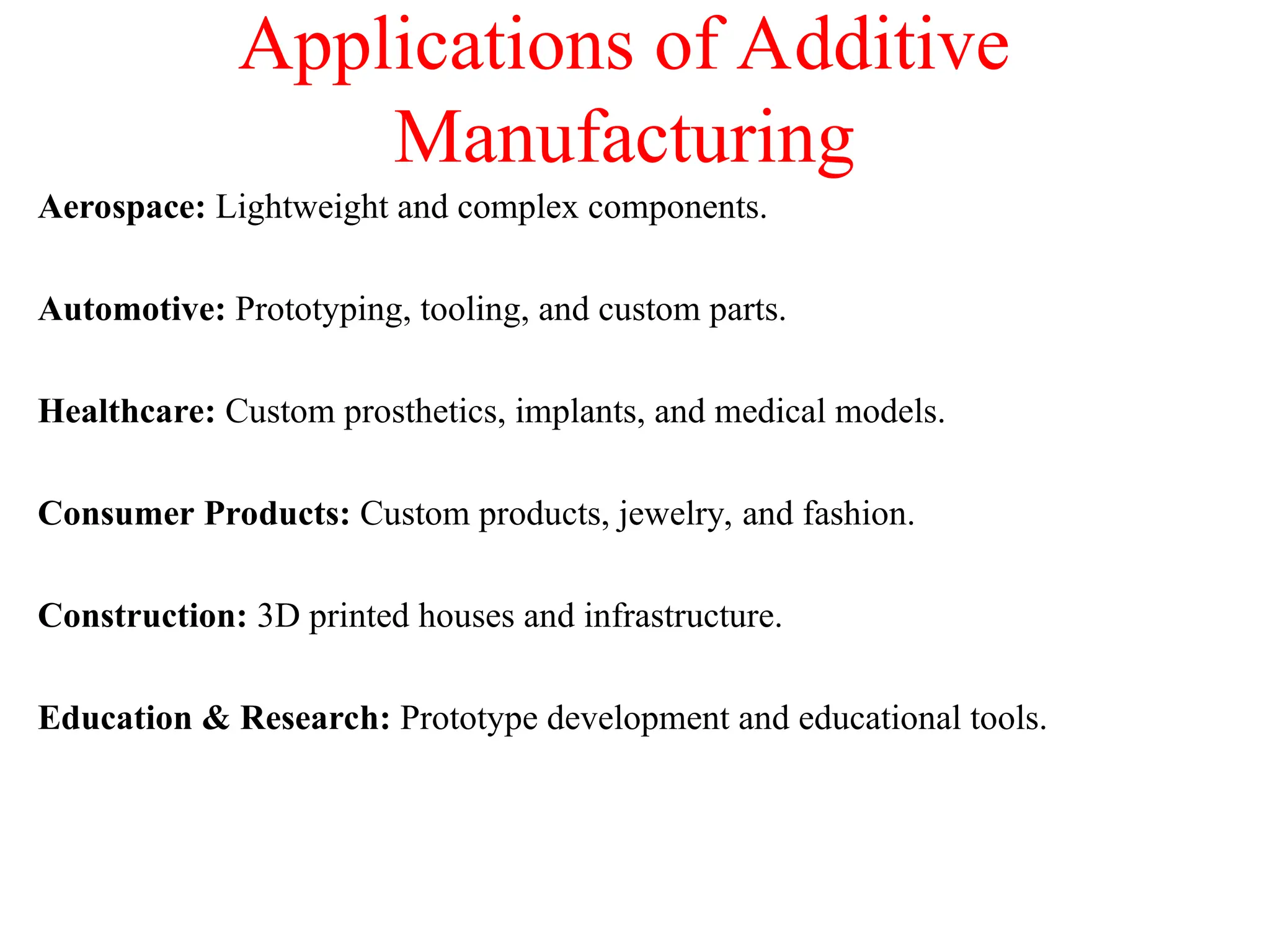
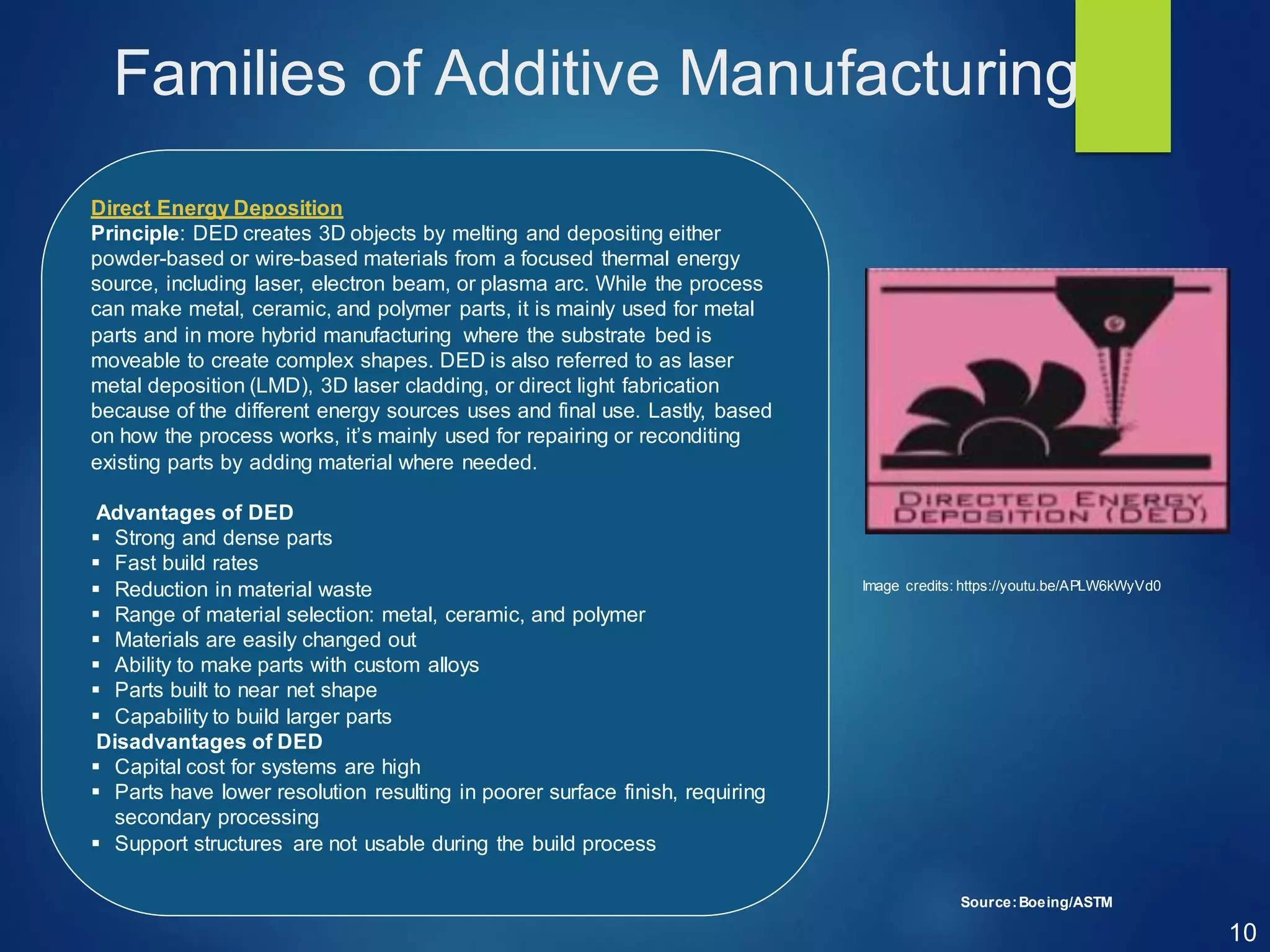
Free Additive Manufacturing PDFs and PPTs: Top Resources
Finding Reliable Additive Manufacturing PDFs and PPTs
When you’re deep in a project on 3‑D printing, the last thing you want is to hunt through endless websites for a solid Additive Manufacturing PDF that actually explains the process you need. The same goes for a crisp PowerPoint deck that can impress stakeholders. Luckily, a handful of well‑curated hubs collect exactly what you’re after, and most of them are completely free.
Why Free Resources Still Pack a Punch
Many assume that “free” equals “low quality,” but in the world of additive manufacturing the opposite often holds true. Academic institutions, industry consortia, and even leading printer manufacturers release detailed PDFs and PPTs to showcase research breakthroughs and promote standards. Because these documents are meant to educate, they tend to be data‑rich, illustrated with real‑world case studies, and updated regularly.
Using such resources can save you weeks of drafting, help you avoid common pitfalls, and give you a vocabulary that matches the rest of the community. In short, a good PDF or PPT can be a shortcut to credibility.
Trusted Sources for PDFs
- University Repositories – Schools like MIT, Georgia Tech, and TU Delft host open‑access theses and lecture notes. Search their digital libraries for “additive manufacturing” and you’ll often find PDFs covering everything from powder bed fusion theory to design for manufacturability.
- Industry Associations – The Additive Manufacturing Users Group (AMUG) and the ASTM Committee on Additive Manufacturing publish standards‑focused PDFs that break down terminology, testing methods, and certification pathways.
- Printer Makers – Companies such as Stratasys, EOS, and Formlabs provide user manuals, material datasheets, and application notes in PDF form. These are especially handy for understanding printer‑specific quirks.
- Government Labs – NASA’s Advanced Manufacturing office and the U.S. Department of Defense release technical briefs that explore aerospace‑grade additive processes. Their PDFs often include performance graphs you won’t find elsewhere.
PowerPoint Decks Worth Downloading
Presentations are a different beast. They need to convey complex ideas quickly, so the best PPTs combine clear graphics with concise bullet points. Here are a few places to scout them:
- Conference Proceedings – Slides from events like RAPID, Formnext, and the International Conference on Additive Manufacturing are frequently uploaded to SlideShare or the conference’s archive. Look for titles that mention “state‑of‑the‑art” or “future trends.”
- Consulting Firms – Companies such as Deloitte, McKinsey, and PwC publish industry outlook decks that include market forecasts, adoption curves, and case studies. Their PDFs are often paired with PPT versions for easy reuse.
- Open‑Source Communities – Platforms like GrabCAD and the OpenFOAM user group share community‑built PPT templates for design guidelines, simulation workflows, and post‑processing tips.
- Educational Platforms – Coursera, edX, and Khan Academy occasionally release lecture decks as part of free courses. While you might need to enroll, the PPT files are downloadable once you’re in.
How to Evaluate Quality Before You Download
Not every file you stumble upon is worth your time. Keep these quick checks in mind:
- Authorship – Prefer PDFs authored by recognized experts, university departments, or official industry bodies.
- Currency – Additive manufacturing evolves fast. Aim for documents published within the last three years unless you’re specifically researching historical techniques.
- References – A solid PDF cites standards, peer‑reviewed papers, or internal test data. A PPT that simply lists buzzwords without sources may lack depth.
- File Size vs. Content – Extremely tiny PDFs (under 200 KB) often contain only a title page. Bigger files usually include diagrams, tables, and supplemental appendices.
Tips for Making the Most of Your Downloads
Once you’ve collected a handful of PDFs and PPTs, treat them as a personal knowledge base rather than a one‑off read.
1. Organize by Theme – Create folders such as “Materials,” “Process Design,” and “Business Cases.” Tag each file with the year and source for quick retrieval.
2. Annotate as You Go – Use a PDF reader that lets you highlight and add comments. Jot down questions that arise; they often become the seeds for later experiments.
3. Merge Complementary Slides – If you need to pitch a project, combine the best graphics from several PPTs into a single deck. Just be sure to credit the original creators.
4. Cross‑Reference Data – Validate numbers from a vendor’s PPT against an academic PDF. Discrepancies can reveal optimistic marketing claims versus peer‑reviewed results.
FAQ
Q: Are there legal concerns when using free Additive Manufacturing PDFs for commercial projects?
A: Generally, PDFs released under open‑access licenses (e.g., Creative Commons) are safe to reuse, but always check the specific license. Manufacturer‑issued PDFs may be for informational use only, so avoid redistributing them without permission.
Q: How can I find the most recent standards‑related PPTs?
A: Visit the ASTM website and look for “Committee on Additive Manufacturing” meeting minutes. Those PDFs are often accompanied by slide decks that summarize the latest standard revisions.
Q: What’s the best way to keep my collection up to date?
A: Subscribe to newsletters from key sources—university labs, industry groups, and major printer brands. Many send monthly digests that include links to newly released PDFs and PPTs.