Flagship Explained: What It Means and Why It Matters
When a brand talks about a "flagship" product or store, it’s more than just a fancy term. In marketing, a flagship is a flagship—an emblematic piece that represents the best, most advanced, or most aspirational offering a company can present. Understanding what makes something a flagship helps you spot industry leaders, evaluate buying decisions, and appreciate the strategic thinking behind high‑profile releases.
What Exactly Is a Flagship?
A flagship is a standout item—whether a product, service, or location—designed to showcase a brand’s capabilities and vision. It is the flagship’s job to attract attention, create buzz, and set a benchmark for quality and innovation within its category.
Historical Roots
The term originates from naval practice, where a “flagship” carried a commanding flag and served as the lead vessel in a fleet. Translating that idea to business, a flagship leads the way, signaling direction and prestige.
Flagship in a Business Context
For companies, a flagship product or store functions as a showcase. It embodies the company’s core values, technological prowess, and design philosophy.
Products and Services
- High‑performance hardware—e.g., the latest flagship smartphone that pushes camera, processor, and battery boundaries.
- Premium services—e.g., a flagship airline cabin that offers enhanced comfort and exclusive perks.
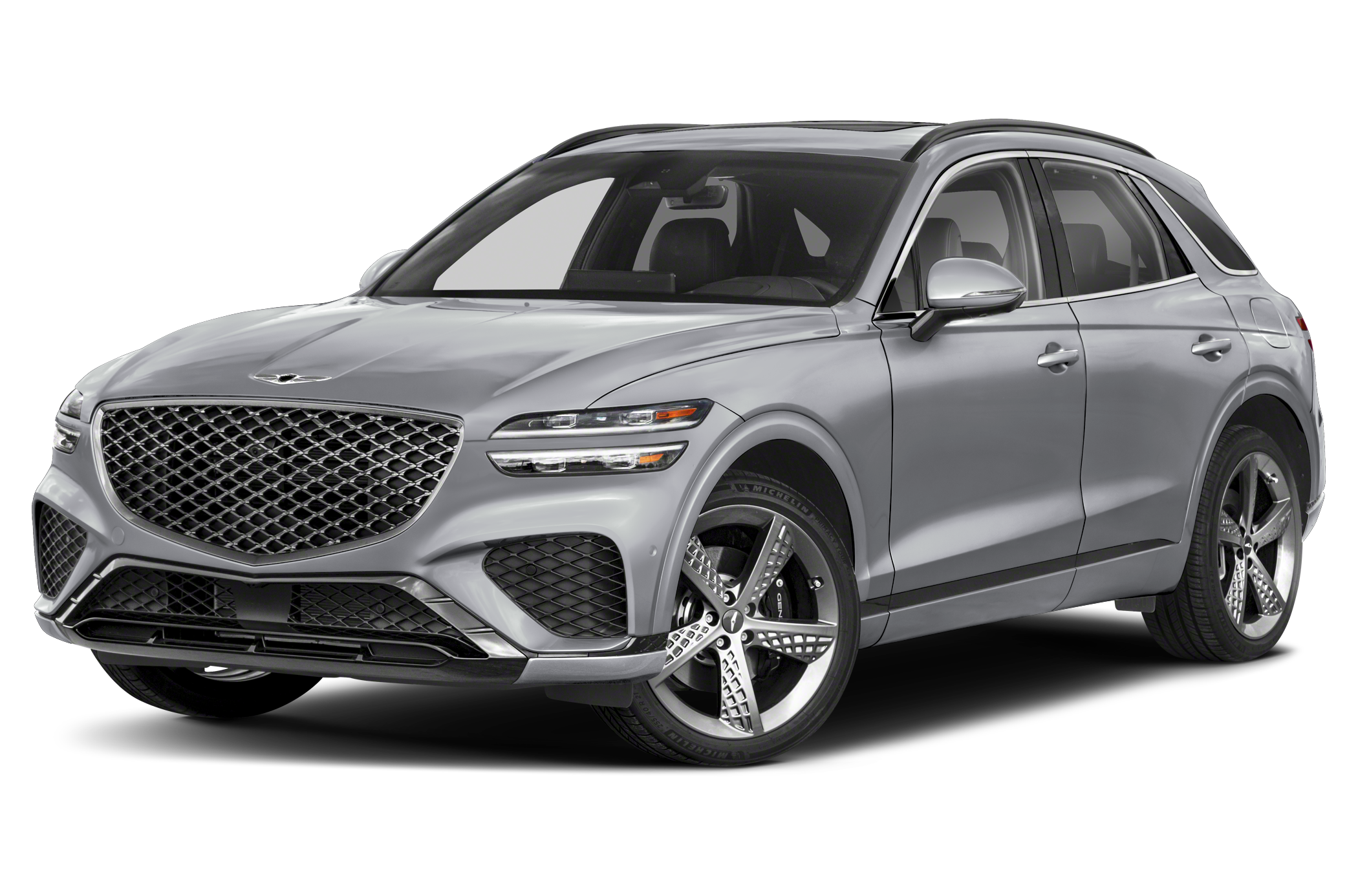
- Design-centric offerings—e.g., a flagship car model that merges cutting‑edge aesthetics with advanced safety systems.
Marketing and Brand Positioning
Flagships serve as focal points for campaigns, providing a narrative that emphasizes the brand’s aspirations. They often carry a higher price tag and limited availability, reinforcing exclusivity.
Flagship in Technology
Technology sectors love flagships because they spotlight the latest breakthroughs and set industry standards.
Smartphones, Cars, and More
Think of the newest flagship smartphone with a top-tier camera, the flagship electric SUV with the longest range, or the flagship smartwatch that integrates health tracking with advanced software. These products are the test beds for innovations that may trickle down to future releases.
Why Flagships Matter
Flagships do more than just look good; they influence the entire market landscape.
Innovation Drivers
They encourage competitors to match or surpass features, accelerating progress. A flagship can introduce a new charging standard, a new interface paradigm, or a new material that becomes ubiquitous.
Consumer Perception
Seeing a flagship can shape buying habits. Even if consumers don’t purchase the flagship, they may associate the brand with cutting‑edge quality, boosting loyalty for other products.
Common Misunderstandings
Not Just Size
Many think a flagship must be the largest or most powerful. In reality, it’s about representation. A flagship could be a compact, lightweight gadget that exemplifies design elegance.
Not Always Best
“Best” is relative. A flagship might prioritize novelty over everyday practicality, meaning it doesn’t suit all use cases. For example, a flagship laptop may have an unusual form factor that feels cramped for office work.
Choosing a Flagship Product
If you’re eyeing a flagship, evaluate whether its strengths align with your needs.
Key Features to Look For
- Cutting‑edge performance metrics (CPU speed, battery life).
- Design innovations (materials, ergonomics).
- Unique software ecosystems or services.
- Reliability data from independent reviewers.
Balancing Cost and Value
Flagships can carry premium prices. Assess whether the added capabilities justify the extra expense. For many users, a slightly older “standard” model offers comparable performance at a lower cost.
Flagship vs. Other Terms
Versus Standard Model
A standard model focuses on mass‑market affordability and broad appeal. In contrast, a flagship emphasizes leadership, exclusivity, and forward‑thinking features.
Versus Luxury
Luxury brands may produce flagship items, but not all flagships are luxury. Flagships are defined by their representational status rather than price alone.
FAQ
What distinguishes a flagship store from a regular store?
Flagship stores showcase a brand’s identity and product line in a curated, immersive setting. They often feature limited‑edition items, interactive displays, and architectural elements that reinforce brand values.
Are flagship models always the most expensive?
Not necessarily. While flagships often carry a premium, the focus is on leading features rather than cost. Some flagships are priced competitively to broaden appeal.
Can a company have more than one flagship?
Yes. Companies may designate multiple flagships across product categories (e.g., a flagship phone, a flagship watch, and a flagship SUV), each serving as the pinnacle of its respective segment.
Does “flagship” apply outside of business?
In broader contexts, “flagship” can describe leading initiatives, flagship programs, or flagship institutions—any entity that sets the standard or represents an organization’s core mission.