First‑Party Insurance Explained: What It Means for You
When you hear “first‑party insurance,” you might wonder how it differs from the policies you see advertised on billboards. In short, it’s the coverage you purchase directly from an insurer to protect your own assets, rather than covering someone else’s liability. Understanding this distinction can help you decide whether the extra protection is worth the premium you’ll pay.
What Is First‑Party Insurance?
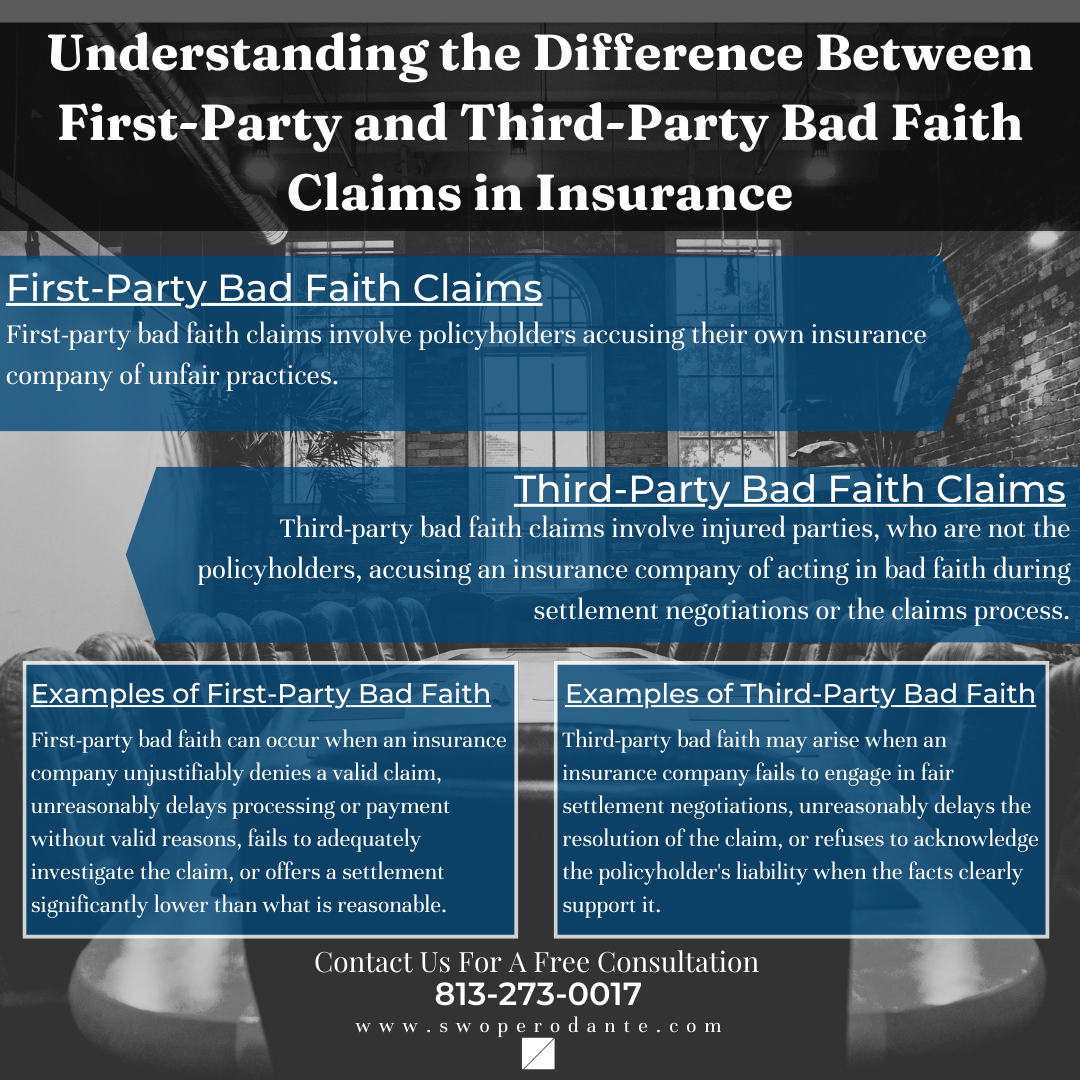
First‑party insurance is a contract where the insurer agrees to compensate you—the policyholder—if you suffer a loss that falls under the policy’s terms. Typical examples include auto collision coverage, homeowners’ fire and theft protection, and health plans that reimburse medical expenses. The key point is that the claim is made against your own insurer, not against a third party.
How It Differs From Third‑Party Policies
Third‑party policies, by contrast, are designed to cover damages you cause to others. For instance, a third‑party auto liability policy pays for another driver’s injuries if you’re at fault. The main differences are:
- Beneficiary: First‑party protects you; third‑party protects the other party.
- Coverage Scope: First‑party often includes “own‑damage” clauses, while third‑party focuses on legal responsibility.
- Premium Structure: First‑party premiums tend to be higher because they cover a broader range of risks.
Key Benefits for Policyholders
Choosing first‑party coverage can bring several tangible advantages, especially if you value peace of mind.
- Rapid payouts for repairs or medical bills, because the insurer deals directly with you.
- Protection against non‑collision events, such as theft, vandalism, or natural disasters.
- Optional add‑ons like rental‑car reimbursement, which keep you mobile while your vehicle is in the shop.
- Potential discounts when bundled with other first‑party products, like home and auto policies.
When First‑Party Insurance Might Not Be the Best Choice
While the coverage sounds appealing, it isn’t always the most cost‑effective option. If you drive a low‑value car, the cost of collision coverage could exceed the amount you’d receive after a claim. Similarly, a homeowner with a modest dwelling in a low‑risk area might find that a basic liability policy meets most of their needs. In these cases, a well‑structured third‑party plan supplemented by a modest deductible can keep premiums manageable.
How to Choose the Right First‑Party Coverage
Start by assessing the value of what you’re protecting. For a new vehicle, the higher replacement cost justifies a comprehensive first‑party policy. For older assets, consider the “actual cash value” versus “replacement cost” options—sometimes the lower‑cost choice makes sense.
Next, compare deductible levels. A higher deductible reduces your monthly premium, but be sure you can comfortably cover that amount if a claim arises. Finally, read the fine print: exclusions, claim‑handling timelines, and any caps on payouts can dramatically affect the real benefit you receive.
Common Misconceptions About First‑Party Insurance
Many people assume that first‑party policies automatically cover every possible loss. In reality, most contracts contain specific exclusions—like damage from neglect or intentional acts. Another myth is that filing a first‑party claim will raise your rates dramatically; while some insurers do adjust premiums after a claim, others offer “claims‑free” discounts that can offset the increase.
Real‑World Example: A Collision Scenario
Imagine you rear‑end a parked car during a rainy night. With only a third‑party liability policy, your insurer would cover the damage to the other vehicle, but you’d be left paying for repairs to your own car. Add a first‑party collision endorsement, and the same insurer reimburses you for the repair costs, minus any deductible you chose. The difference is the speed and certainty of getting your vehicle back on the road.
Tips for Maximizing Your First‑Party Policy
- Bundle home and auto policies to unlock multi‑policy discounts.
- Maintain a good credit score; many insurers factor it into premium calculations.
- Regularly review your coverage limits—especially after major life events like moving or renovating.
- Consider optional coverage for roadside assistance or personal injury protection, if your state permits.
Bottom Line
First‑party insurance is essentially a safety net for your own belongings, offering quicker payouts and broader protection than a pure liability policy. Whether it makes sense for you depends on the value of the assets you own, your risk tolerance, and how much you’re willing to pay each month. By weighing the benefits against the cost and scrutinizing policy details, you can make an informed decision that aligns with your financial goals.
Frequently Asked Questions
Is first‑party insurance required by law?
No. Most jurisdictions mandate third‑party liability coverage for vehicles, but first‑party policies are optional and chosen at the consumer’s discretion.
Can I have both first‑party and third‑party coverage on the same asset?
Absolutely. Many drivers combine liability (third‑party) with collision or comprehensive (first‑party) to ensure they’re covered no matter who’s at fault.
How does my deductible affect my claim?
The deductible is the amount you agree to pay out of pocket before the insurer steps in. A higher deductible lowers your premium but means a larger expense when you file a claim.
Will filing a first‑party claim raise my premiums?
It can, but the impact varies by insurer. Some companies offer “claims‑free” periods or discounts that mitigate premium hikes after a single claim.