Exploring Timeless Arabic Melodies: A Nostalgic Journey Through Music
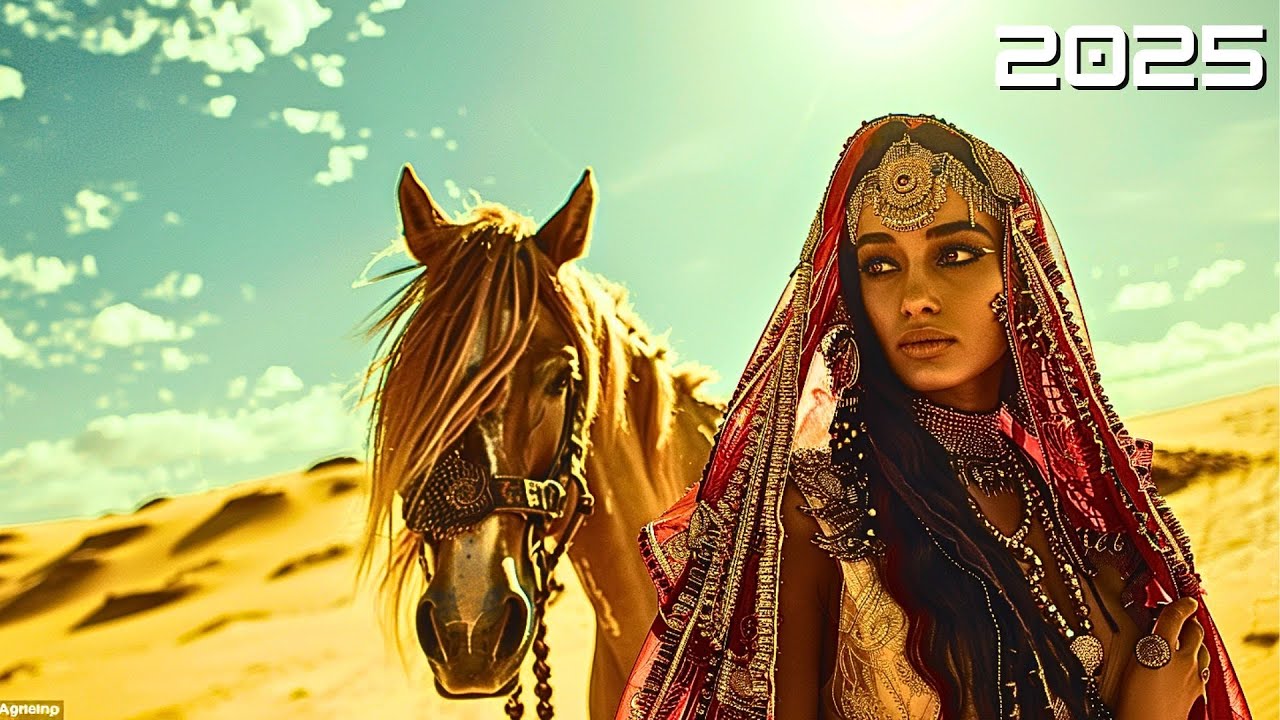
When the first notes of an oud drift through a room, memories surface like old photographs—sun‑drenched evenings, bustling souks, and whispered stories told over tea. Those timeless Arabic melodies do more than entertain; they act as cultural time machines, carrying listeners back to moments both personal and collective. This article follows that nostalgic thread, tracing the roots, the instruments, the legends, and the modern echoes of a musical tradition that refuses to age.
Why Timeless Arabic Melodies Still Capture Our Hearts
At the core of every enduring Arabic tune lies a blend of modal scales, rhythmic cycles, and lyrical poetry that speaks directly to emotion. The maqam system, with its quarter‑tone intervals, creates a sense of longing (ghurba) that resonates across generations. Add a steady darbuka pattern, and the result is a groove that feels both intimate and communal, inviting listeners to sway, reflect, or simply breathe in the atmosphere.
Roots of the Sound: From Desert Camps to Royal Courts
Arabic music didn’t appear fully formed; it evolved alongside trade routes that stitched the Middle East to Africa, Europe, and Asia. Early Bedouin chants, originally sung around campfires, introduced simple melodic fragments that later merged with Persian and Ottoman court music. By the 19th century, these strands coalesced into the sophisticated ensembles heard in Cairo’s opera houses and Baghdad’s tea houses.
Instruments That Define the Mood
Several key instruments give Arabic music its unmistakable color:
- Oud: A short‑neck lute whose warm, resonant tones often carry the main melody.
- Qanun: A trapezoidal zither that adds shimmering arpeggios, weaving around the oud’s voice.
- Darbuka and riq: Hand‑drummed percussion that punctuate the rhythm with crisp, rolling beats.
- Nay: An end‑blown flute that sighs like a desert wind, perfect for reflective passages.
When these instruments converse, they create textures that feel both ancient and instantly present—a paradox that fuels the nostalgic pull.
Iconic Artists and Their Signature Tunes
Few names evoke the golden age of Arabic music as powerfully as Umm Kulthum, Farid al‑Atrash, and Abdul Halim Hafez. Umm Kulthum’s “Enta Fih” stretches for over an hour, allowing her voice to glide through multiple maqamat, each shift deepening the emotional journey. Farid al‑Atrash’s “Al‑Bint Al‑Shalabeya” blends folk motifs with modern orchestration, illustrating how tradition can adapt without losing its soul. Meanwhile, Abdul Halim Hafez’s playful croons in “Gana El‑Hawa” showcase a lighter side, reminding listeners that nostalgia can be joyous, not just mournful.
How Classic Melodies Influence Modern Soundscapes
Contemporary Arab pop stars often sample or reinterpret these classics. In recent years, artists like Amr Diab and Ragheb Alama have woven oud riffs into electronic beats, creating tracks that feel both nostalgic and club‑ready. Even hip‑hop producers from the diaspora incorporate traditional maqam phrases, proving that the old can live vibrantly within the new. This cross‑generational dialogue keeps the core melodies alive, ensuring they remain part of everyday playlists rather than museum relics.
Keeping the Tradition Alive: Education and Preservation
Music schools across the Arab world now offer dedicated programs in maqam theory and traditional instrumentation. Scholarships fund young prodigies to study under master musicians, while festivals—like the annual Fez Festival of World Sacred Music—provide platforms for both veteran and emerging artists. Digital archives, too, play a crucial role; streaming services host curated playlists titled “Nostalgic Arabic Classics,” making rare recordings accessible to a global audience.
FAQ
What are some classic Arabic songs that evoke nostalgia?
Songs such as “Al‑Fakhar” by Umm Kulthum, “Ya Malak” by Farid al‑Atrash, and “Mawtini” (the traditional anthem) are frequently cited for their emotive power and enduring popularity.
How does the maqam system differ from Western scales?
Maqam employs micro‑tones—intervals smaller than the semitone used in Western music—creating nuanced emotional shades that can convey longing, joy, or spirituality more subtly.
Can beginners learn Arabic instruments without prior musical training?
Yes. Many community centers offer introductory lessons on the oud or darbuka, and the rhythmic patterns are often taught through call‑and‑response, making the learning curve approachable for novices.