Exploring Flame Colors: A Quick Guide to the Chemistry of Fire
Exploring flame colors can reveal fascinating chemistry in everyday fires. From the blue glow of a butane torch to the orange blaze of a campfire, each hue tells a story about the elements involved and the energy released. This guide breaks down why flames appear in particular colors, how to identify them, and what practical uses they have.
Exploring Flame Colors: What Makes a Flame Light Up?
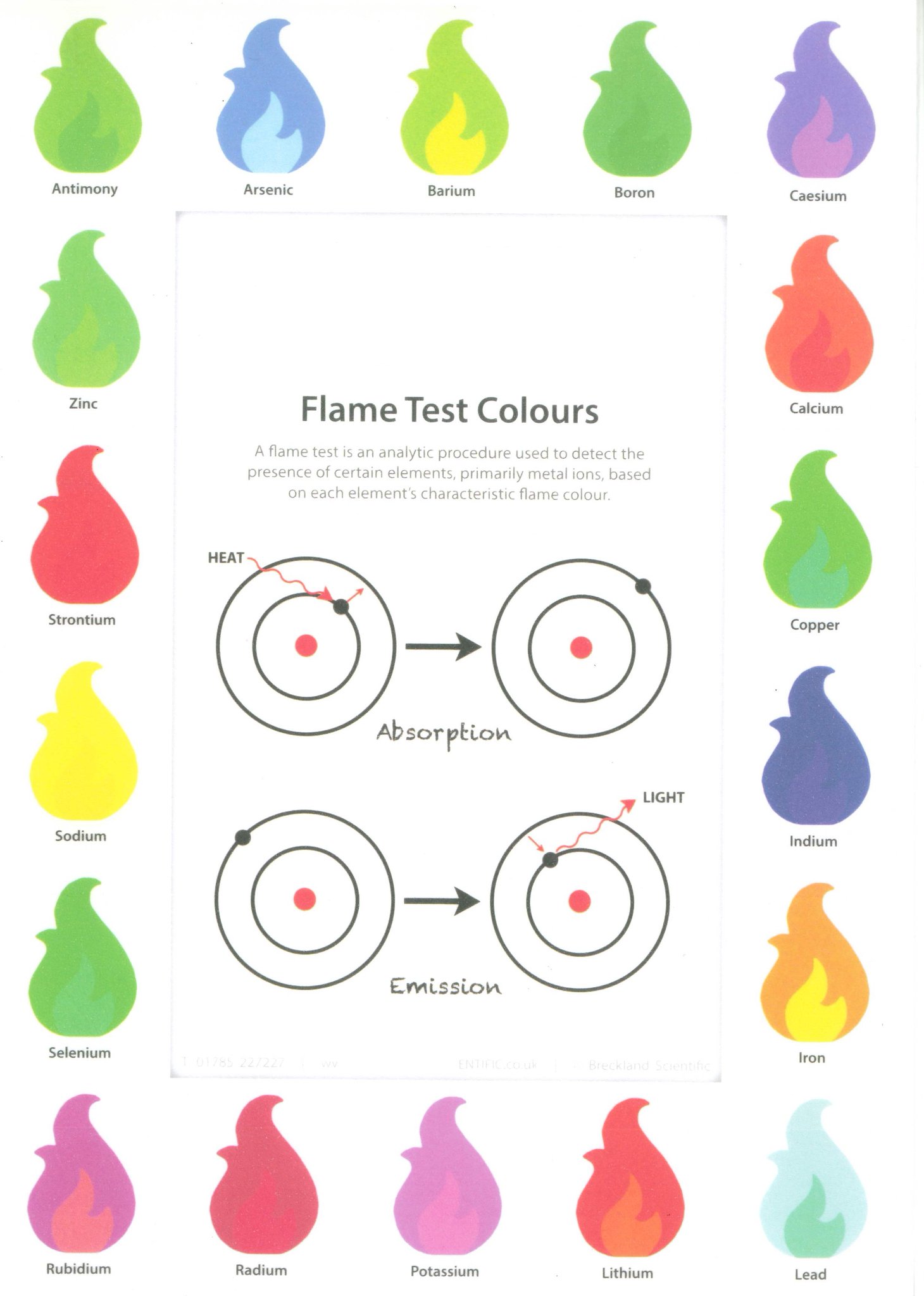
When a substance burns, its atoms absorb heat, jump to higher energy levels, and then drop back down. Each transition emits a photon with a wavelength that corresponds to a specific color. The spectrum of visible light ranges from violet (around 380 nm) to red (about 750 nm). The exact color depends on which electron transitions are allowed and the chemical environment.
Metal Salts and Their Signature Colors
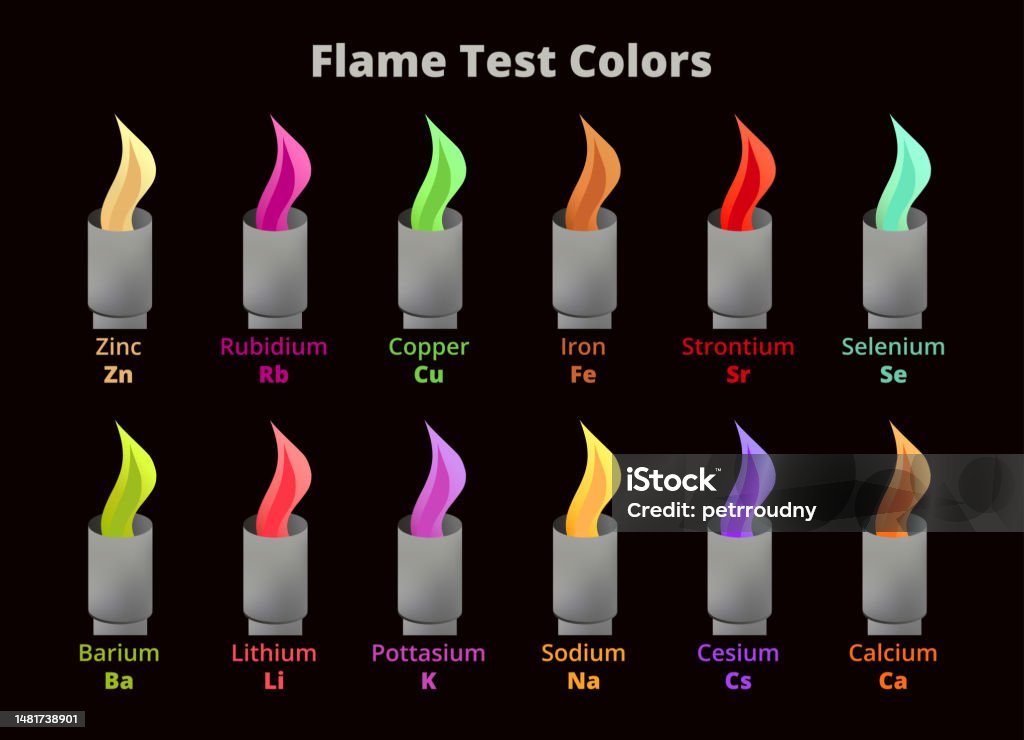
Alkali and alkaline‑earth metals are notorious for adding color to flames. The most common salts used in flame tests—whether for fireworks or laboratory diagnostics—include:
- Sodium (Na⁺) – bright yellow
- Potassium (K⁺) – deep violet or lilac
- Barium (Ba²⁺) – greenish‑yellow
- Calcium (Ca²⁺) – orange‑red
- Copper (Cu²⁺) – green or turquoise (often with a blue tinge)
- Strontium (Sr²⁺) – crimson
These colors are not random; they arise from specific electronic transitions that are highly sensitive to the ionic potential and the surrounding ligands.
Hydrogen and Carbon: The Default Blue and White Flames
Pure hydrogen combustion produces a pale blue flame because its electronic transitions fall in that part of the spectrum. Carbon‑rich fuels, like wood or coal, tend to emit a broad, almost white glow. The wide range of wavelengths produced by the complex mix of hydrocarbons results in the familiar yellow-orange hue of many everyday fires.
Temperature and Flame Color
Higher temperatures shift the black‑body radiation curve toward blue. A well‑controlled oxy‑acetylene torch can reach 3,000 °C, producing a nearly blue‑white flame. Conversely, cooler flames, such as those from a candle, are dominated by yellow because of the excited CO₂ and H₂O molecules that emit in that region.
Practical Uses of Flame Color Detection
- Fireworks and pyrotechnics – Each color is engineered by adding specific metal salts.
- Chemical analysis – Flame spectroscopy quickly identifies elements in a sample.
- Industrial safety – Detecting metal contaminants in exhaust gases helps control emissions.
- Art and design – Artists use flame colors to create atmospheric lighting effects.
Safety First: Handling Colored Flames
While the science is fascinating, colored flames can pose risks. Metal salts are often corrosive or toxic. Always perform flame tests in a well‑ventilated area, wear eye protection, and keep flammable materials at a safe distance. When working with fireworks or industrial chemicals, follow all local regulations and use appropriate protective equipment.
Common Flame Color “Mysteries” Explained
1. Why do some flames look green? The green is usually copper or a mixture of copper and oxygen. Copper salts absorb blue and violet photons, leaving a green emission.
2. What causes the blue “blaze” in a butane stove? The high temperature and clean combustion produce a narrow emission spectrum, predominantly in the blue region.
3. Can the same metal salt produce different colors? Yes, the coordination environment—such as whether the metal is in an aqueous solution or bonded to organic ligands—can shift the emission peak.
Exploring Flame Colors at Home: A Simple Experiment
Gather a safety torch, a small amount of sodium chloride, and a metal stir rod. Heat the stir rod until it glows, then dip it in the salt solution. Observe the bright yellow flame and note how quickly it appears and disappears. This basic setup demonstrates the core principle: the metal ion emits its characteristic color when excited by heat.
What to Do If You Notice an Unexpected Flame Color
- Stop the flame immediately.
- Identify the source material.
- If a toxic metal is suspected, ventilate the area and avoid inhalation.
- Contact a professional for hazardous material assessment.
Frequently Asked Questions
- Can I create a purple flame? Yes—potassium salts yield violet or purple when burned.
- Do all flames show the same color across different fuels? No; the fuel composition, temperature, and presence of metals all influence hue.
- Is flame color a reliable indicator of purity? It can be a quick check, but quantitative spectroscopy is needed for precise analysis.
Exploring flame colors opens a window into the invisible world of atomic transitions. Whether you’re lighting a campfire or studying combustion in a lab, understanding the science behind each hue can enhance safety, creativity, and scientific insight.