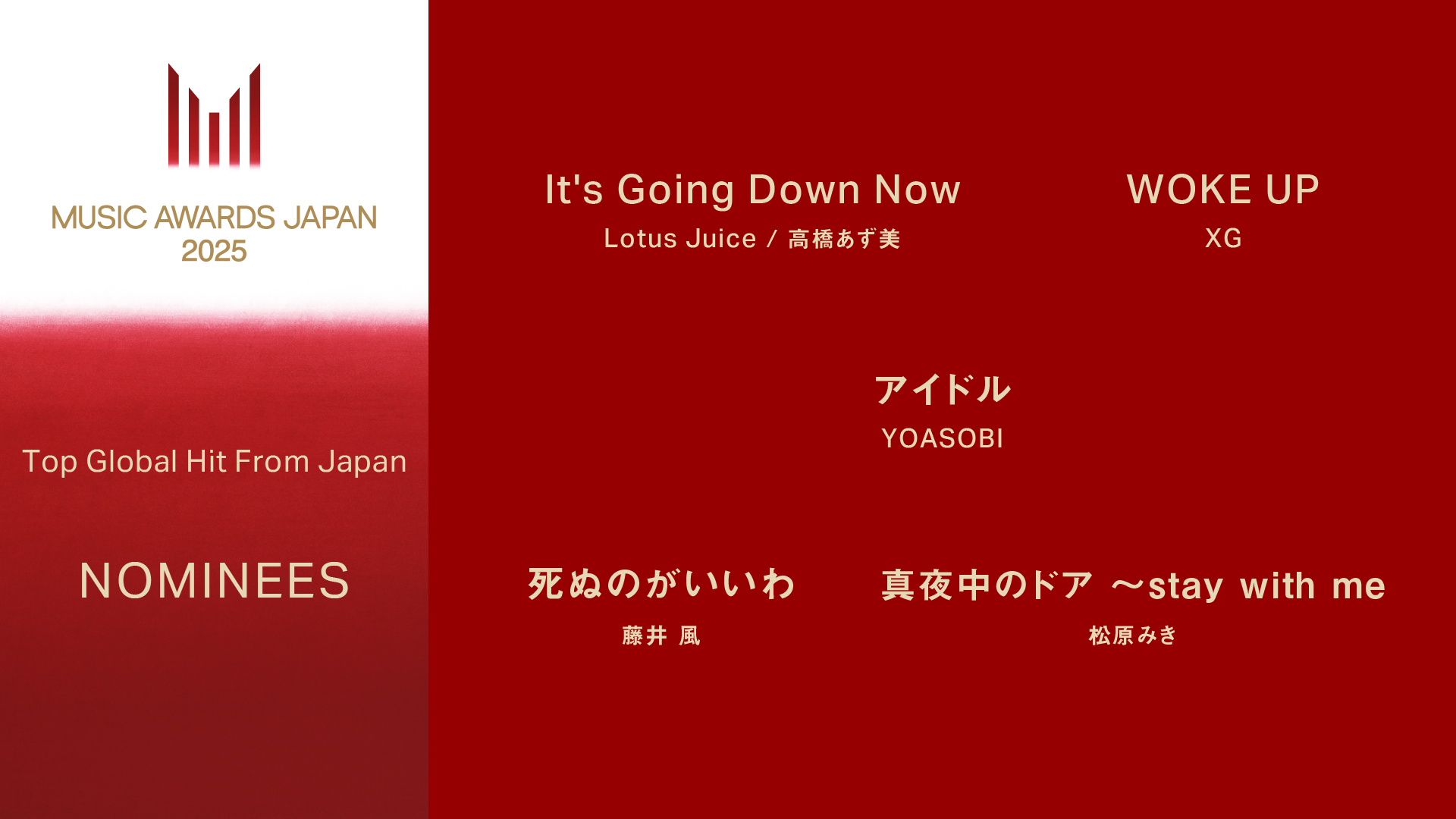
Explore the Top Japanese Songs Shaping Global Music
When a melody from across the Pacific lands on playlists in New York, Nairobi or São Paulo, it tells a story that transcends language. Japanese pop, rock, and indie tracks have become unlikely ambassadors, drawing listeners into a culture rich with emotion, visual flair, and a knack for catchy hooks. Below, we wander through the most influential Japanese songs that have left a mark on the global music scene, highlighting why they resonate far beyond their home country.
Top Japanese Songs That Went Global
These tracks didn’t just chart in Japan—they cracked the algorithmic walls of streaming services, appeared in viral TikTok videos, and found a home in foreign film soundtracks. Their success often stems from a blend of universal themes and uniquely Japanese aesthetics.
- “Ue o Muite Arukō” (Sukiyaki) – Kyu Sakamoto (1961) – The first Japanese-language single to top the Billboard Hot 100, its melancholic yet hopeful chorus still appears in movies and commercials worldwide.
- “Plastic Love” – Mariya Takeuchi (1984) – A city‑pop gem that resurfaced on YouTube’s “lofi hip‑hop” channels, turning a 30‑year‑old track into a late‑night study staple for students everywhere.
- “Lemon” – Kenshi Yonezu (2018) – With a soaring vocal line and a music video that feels like a modern Japanese drama, it broke streaming records on Apple Music Japan and sparked countless cover versions on Instagram.
- “Gurenge” – LiSA (2019) – As the opening for the anime “Demon Slayer,” this high‑energy rock anthem became a karaoke favorite from Tokyo to Toronto.
- “Paprika” – Foorin (2018) – A children’s song commissioned for the 2020 Olympics, its bright chorus turned into a global dance challenge, especially among families on TikTok.
- “Pretender” – Official Hige Dandism (2019) – The band’s smooth blend of pop‑rock and jazz chords earned it a spot on Billboard’s World Digital Song Sales chart.
- “Uchiage Hanabi” – DAOKO × Kenshi Yonezu (2017) – Featured in the animated film “Fireworks,” this track’s bittersweet melody helped the movie gain an international fanbase.
Why Japanese Songs Capture International Listeners
First, the production values in J‑pop and J‑rock often match, or even exceed, Western standards. Sophisticated arrangements, crisp mixing, and a willingness to experiment with electronic, jazz, and traditional instruments give each song a polished feel that streams well worldwide. Second, many hits ride the wave of anime, film, or video‑game exposure. When a series like “Naruto” or “Your Name” becomes a global phenomenon, its soundtrack rides the coattails, introducing viewers to artists they might never have heard otherwise.
Third, lyrical themes—love, longing, self‑discovery—are universally relatable. Even when the lyrics are sung in Japanese, the emotional delivery, often amplified by the singer’s vocal timbre, conveys meaning that listeners can feel without translation. Finally, social media platforms reward novelty. A catchy chorus or striking visual from a music video can spark a meme, sending the song spiraling across continents within days.
From Anime Openings to Worldwide Charts
Anime openings have become a powerful conduit for Japanese music. “Gurenge,” for instance, not only topped Japan’s Oricon charts but also amassed over 300 million YouTube views, many from fans who first encountered the song through the show’s intense fight scenes. Similarly, “Unravel,” the haunting theme for “Tokyo Ghoul,” found a dedicated following on Spotify playlists dedicated to “dark anime vibes,” pulling listeners from Europe to South America.
Even beyond anime, Japanese artists have embraced collaborations with Western musicians. The 2022 duet between Rina Sawayama and Charli XCX on “Beg for You” blended J‑pop sensibilities with British pop production, illustrating how cross‑cultural partnerships can amplify exposure for both parties.
How Streaming Platforms Amplify Japanese Music
Spotify’s “Japan Top 50” playlist and Apple Music’s “Japanese Hits” curated sections have become go‑to destinations for curious listeners. Algorithms often recommend Japanese songs to users who enjoy K‑pop, EDM, or indie folk, based on shared tempo, key, or mood. This serendipitous discovery cycle means that a user searching for “upbeat indie” might land on “Paprika,” while another looking for “melancholy piano ballads” could be led to “Lemon.”
Moreover, user‑generated content—especially on TikTok—has turned short snippets of Japanese tracks into viral trends. A 15‑second clip of “Ue o Muite Arukō” paired with a nostalgic photo montage recently racked up millions of views, prompting a fresh surge in streams and even a renewed interest in the original 1960s recording.
Emerging Artists to Watch
While the classics dominate the conversation, a new wave of Japanese musicians is carving out a global niche. Artists like Vaundy, who fuses lo‑fi beats with indie rock, and YOASOBI, known for turning short stories into pop anthems, have both seen their songs chart on Billboard’s World Digital Song Sales. Their success underscores a broader shift: Japanese music is no longer a niche export; it’s a vibrant part of the worldwide pop ecosystem.
Tips for Discovering More Japanese Music
- Explore curated playlists on streaming services labeled “Japanese Indie” or “J‑Rock Essentials.”
- Follow anime soundtracks on YouTube; the ending themes often spotlight emerging artists.
- Check out music festivals that stream live performances, such as Summer Sonic, which frequently feature international guests.
- Join online communities on Reddit’s r/jpop or Discord servers dedicated to Japanese music; members frequently share hidden gems.
FAQ
What makes a Japanese song popular overseas? A mix of high production quality, relatable themes, and exposure through anime, movies, or viral social‑media trends often propels a track beyond Japan’s borders.
Are there English versions of popular Japanese songs? Some artists release bilingual versions—Kenshi Yonezu’s “Lemon” has an English‑subtitle version, and official remixes sometimes add English verses to reach a broader audience.
Where can I find official lyrics for Japanese songs? Websites like J‑Lyrics.net or the artists’ official pages provide accurate Japanese lyrics, often accompanied by English translations.
How can I support Japanese musicians? Stream their songs on legal platforms, purchase physical copies or merch, and attend virtual concerts when possible; many artists also accept fan donations via platforms like Patreon.