Experts Reveal Powerful Self‑Affirmation Techniques
Self‑affirmation has become a cornerstone of mental resilience, yet many people still approach it with uncertainty. By deliberately reinforcing personal strengths and values, you can shift perspective, reduce stress, and boost confidence. Below, leading psychologists, coaches, and neuroscientists share the most effective ways to weave self‑affirmation into everyday life.
What Is Self‑Affirmation and Why It Matters
Self‑affirmation is the practice of reflecting on qualities that define who you truly are—traits that go beyond external achievements or social approval. This self‑reflection activates brain pathways linked to self‑concept and reduces the defensive reaction to negative feedback. The result? A calmer mind and a higher tolerance for challenges.
Top Expert Strategies for Daily Self‑Affirmation
- Morning Reflection Ritual
Take five minutes each sunrise to write a brief list of values you hold dear, such as integrity, curiosity, or compassion. Repeat these values aloud to set a positive tone for the day. - Affirmation Cards
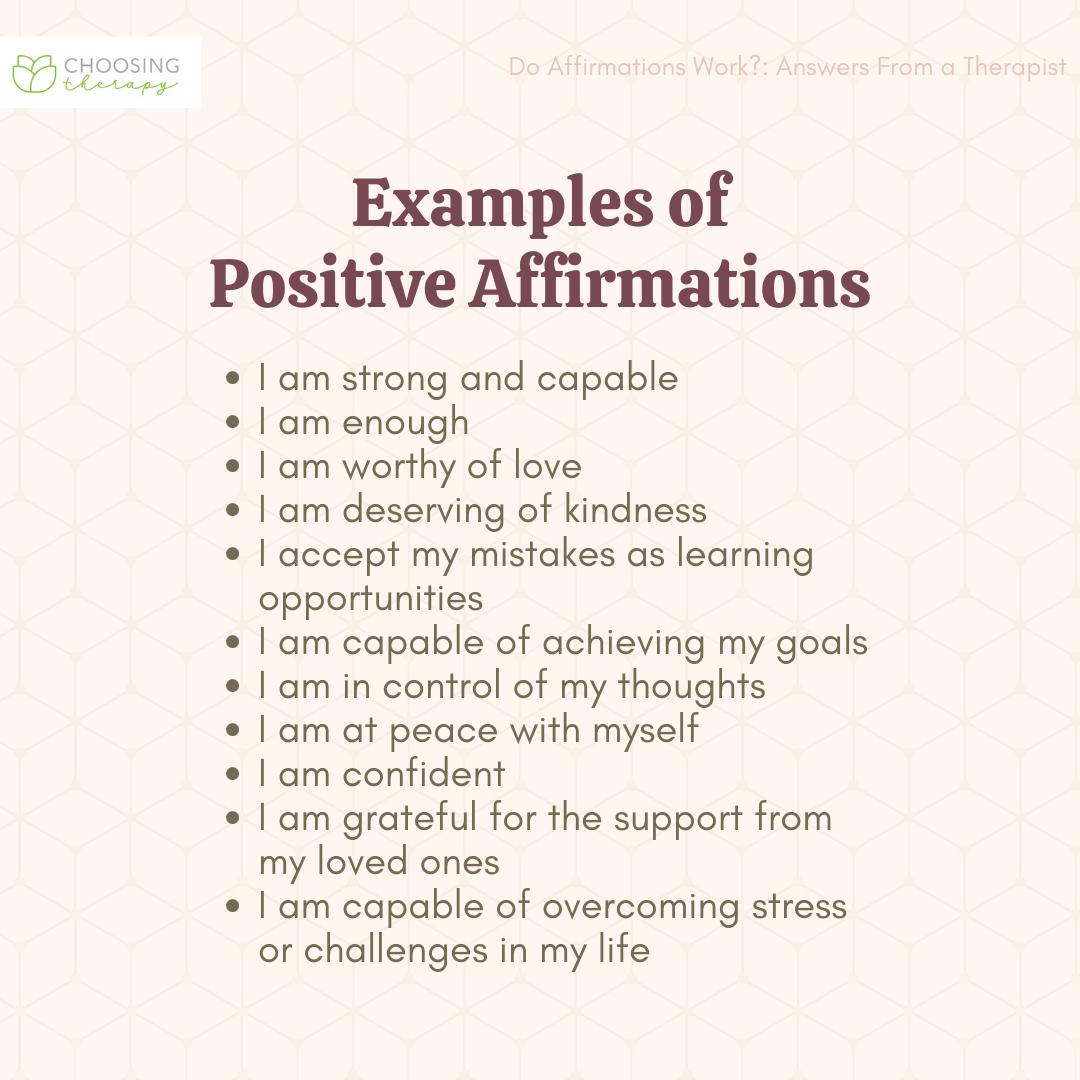
Create or purchase cards that state powerful self‑affirmations—“I am capable of learning new skills” or “I value my own growth.” Keep them beside your desk or on your phone for quick reminders. - Mirror Check‑In
Stand in front of a mirror, look yourself straight in the eye, and say something affirming. This direct visual feedback strengthens self‑recognition. - Gratitude‑Affirmation Blend
Combine gratitude lists with affirmations. When you thank a colleague, add “I am grateful for my collaborative spirit” to reinforce the positive self‑image. - Digital Journal Prompts
Use journaling apps that prompt daily self‑affirmations. Answer questions such as “What personal trait helped me today?” to reinforce strengths.
Common Pitfalls and How to Avoid Them
- Over‑Generalization
Avoid vague statements like “I am good.” Instead, specify a particular strength—“I am an empathetic listener.” - Inconsistent Practice
Skipping days erodes momentum. Aim for at least one affirmation session daily, even if it’s a quick breath‑work moment. - Self‑Criticism Interference
If negative thoughts surface during an affirmation session, pause, breathe, and return to the next statement. Don’t let self‑doubt derail the practice. - Using the Wrong Language
Affirmations work best in the first person and present tense: “I am resilient,” not “I will be resilient.”
Integrating Self‑Affirmation Into Existing Habits
Rather than starting a brand‑new routine, pair self‑affirmation with activities you already enjoy:
- Morning Commute – Repeat a chosen affirmation to yourself while driving or walking.
- Workout Sessions – Use affirmations as a warm‑up: “I am strong and capable.”
- Evening Wind‑Down – Before sleep, recite one affirmation that reflects the day’s achievements.
- Digital Breaks – When you pause from work screens, look at your affirmation card or a phone note for a quick mental reset.
Over time, these micro‑affirmations become automatic, reinforcing a stable, positive self‑image without demanding extra effort.
FAQ About Self‑Affirmation
Q1: How long does it take to notice benefits from self‑affirmation?
A: Most people report subtle shifts within weeks. Consistency is key; the brain gradually rewires to favor the affirmed perspective.
Q2: Can self‑affirmation replace therapy or counseling?
A: Self‑affirmation complements professional help. It’s an everyday practice that supports emotional regulation but is not a substitute for therapy when deeper issues arise.
Q3: Is it okay to use generic affirmations like “I am worthy”?
A: Yes, if you genuinely resonate with them. Customizing the wording to match your unique values increases authenticity.
Q4: Should I record my affirmations?
A: Recording can reinforce memory through auditory learning, but writing or speaking aloud works just as well for most people.
By adopting these expert‑endorsed strategies, self‑affirmation can become a simple yet profound tool in building a resilient, confident mindset.