Cytotoxic T Cells: A Simple Guide for A‑Level Biology
For many A‑Level Biology students, the term “cytotoxic T cells” can feel like a mouthful, but breaking it down into its basics makes the concept clear and exam‑ready. These specialised lymphocytes are the body’s frontline soldiers against virally infected cells and tumour cells, and they perform their duties through a precise sequence of activation, recognition, and destruction. By the end of this article you’ll understand where they come from, how they kill target cells, and why they’re essential for a functional immune system.
What Are Cytotoxic T Cells?
Cytotoxic T cells (often abbreviated CTLs or CD8+ T cells) are a subset of T lymphocytes that possess a unique ability: they can recognise and eliminate cells that display abnormal proteins on their surface. These abnormal proteins usually arise from viral infections or from cells that have undergone malignant transformation. In the context of A‑Level Biology, it is useful to remember that CTLs belong to the adaptive immune system, which means they require a prior encounter with a specific antigen to become fully functional.
How Do They Develop?
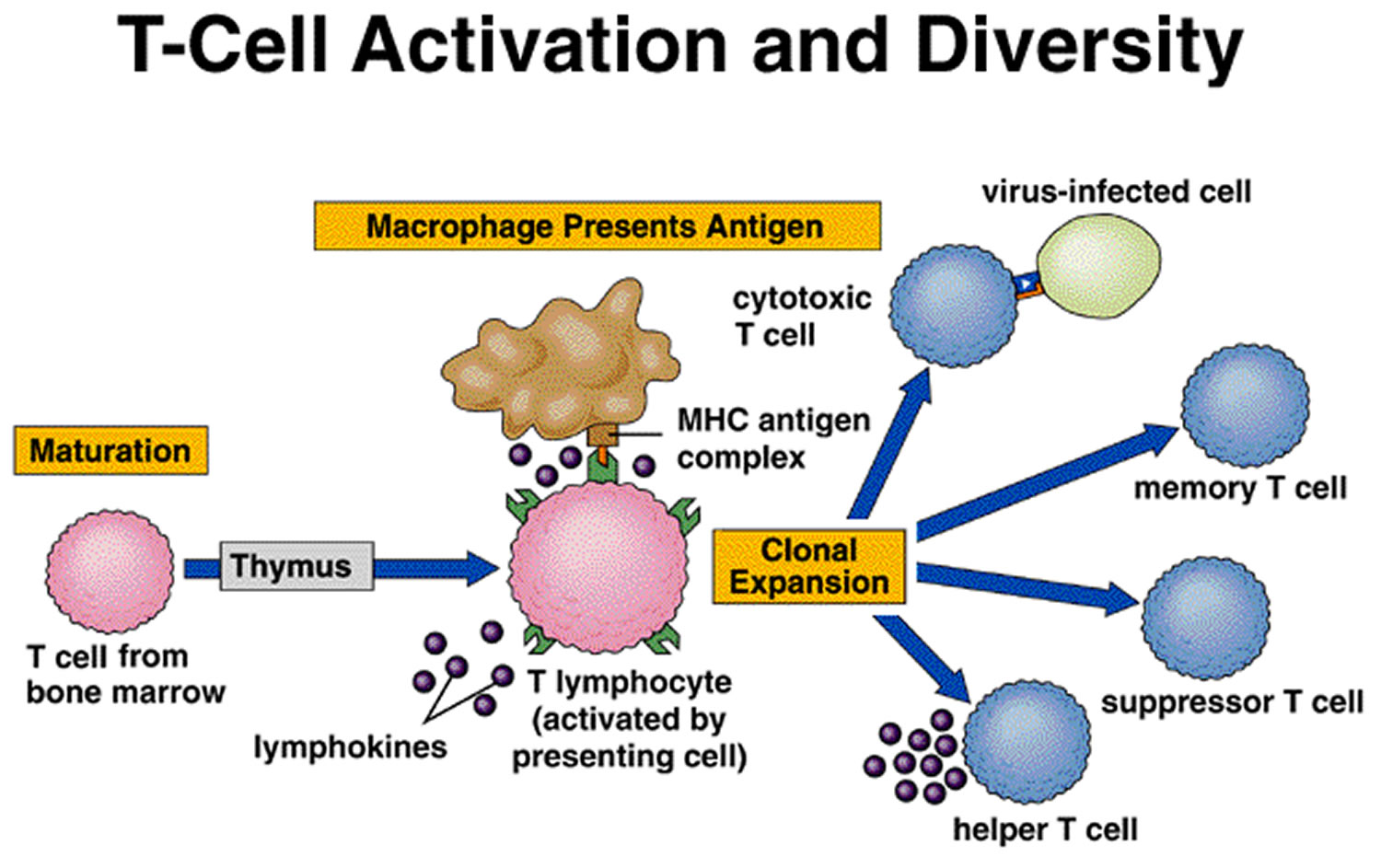
CTLs mature in the thymus, where they undergo two crucial selection stages:
- Positive selection: T cells that can bind self‑MHC class I molecules survive.
- Negative selection: T cells that bind too strongly to self‑antigens are deleted, preventing autoimmunity.
Only after these checks do CTLs exit the thymus as naive cells. When they encounter a peptide presented on MHC class I molecules of an infected or tumorous cell, antigen‑presenting cells (APCs) activate them through co‑stimulatory signals. The activated CTL then proliferates and differentiates into a cytolytic effector cell.
Mechanism of Action: How CTLs Kill
Once activated, CTLs use a two‑step process to eliminate target cells:
- Target recognition: The T‑cell receptor (TCR) binds to a specific peptide‑MHC class I complex on the infected cell’s surface.
- Induction of apoptosis: The CTL releases cytotoxic granules containing perforin and granzymes.
Perforin forms pores in the target cell membrane, while granzymes—serine proteases—enter the cell and trigger programmed cell death (apoptosis). This precise method ensures that only the infected or abnormal cell is destroyed, sparing healthy cells.
Role in Immune Response
CTLs are indispensable during viral infections. Viruses replicate inside host cells, and by destroying these infected cells, CTLs prevent further viral spread. In addition, CTLs patrol for malignant cells; early detection and removal of tumours can stop cancer progression. For A‑Level students, it is worth noting that CTL activity is usually measured by the release of interferon‑γ, a cytokine that also activates other immune cells.
Key Features for the Exam
When you’re preparing for the A‑Level exam, focus on these core points:
- Their origin in the thymus and the importance of positive and negative selection.
- Recognition of antigen presented by MHC class I molecules.
- The perforin‑granzymes pathway leading to apoptosis.
- Their role in viral immunity and tumour surveillance.
- Key markers: CD8, TCR, perforin, granzymes.
Remember that a good diagram—showing the thymic selection, activation by APCs, and the killing mechanism—can earn high marks.
Common Misconceptions
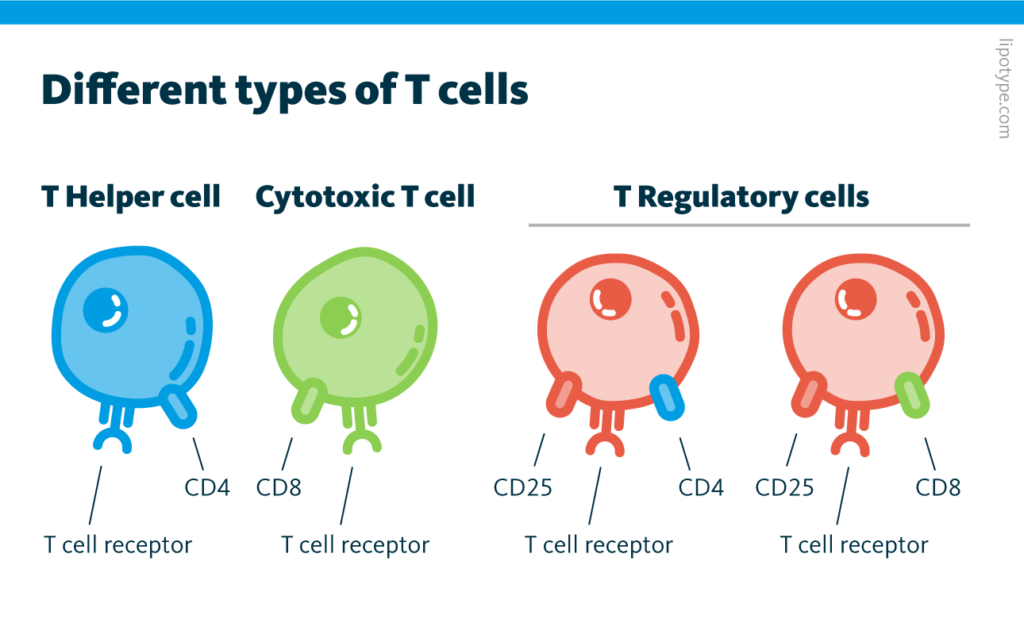
Students often confuse cytotoxic T cells with helper T cells, but the two differ significantly:
- Helper T cells (CD4+): They release cytokines to activate other immune cells.
- Cytotoxic T cells (CD8+): They directly kill target cells through perforin and granzymes.
Another mistake is to think that CTLs act on B cells. In fact, they are primarily engaged with MHC class I‑presenting cells, which include virtually all nucleated cells.
Quick Review: Take‑Home Points
• Cytotoxic T cells are CD8+ T lymphocytes that destroy infected or abnormal cells.
• They mature in the thymus, requiring positive and negative selection.
• Activation depends on antigen presentation via MHC class I and co‑stimuli.
• Killing is executed by perforin‑mediated pore formation and granzyme‑induced apoptosis.
• They are critical for antiviral immunity and tumour surveillance.
FAQ
Q: Can cytotoxic T cells attack healthy cells?
A: Only if those cells present foreign peptides or mutated self‑antigens. Normally, negative selection in the thymus prevents such misdirected attacks.
Q: What happens if perforin is defective?
A: Individuals with perforin mutations can develop familial haemophagocytic lymphohistiocytosis, a severe immune dysregulation condition, because CTLs cannot effectively induce apoptosis.
Q: How quickly do CTLs respond after activation?
A: Activated CTLs can begin to kill target cells within 24–48 hours, with peak cytotoxic activity after about a week of proliferation.