Creatine vs. HCl: Which Form Boosts Performance Better?
When you start researching supplements for strength or endurance, you’ll quickly encounter two familiar names: creatine monohydrate and creatine hydrochloride (HCl). The debate over creatine vs. creatine HCl has sparked countless forum threads, YouTube reviews, and gym‑floor conversations. Both promise to refill your muscles’ energy stores, but they differ in chemistry, dosing, and how they feel in the stomach. Let’s break down the science, practical considerations, and real‑world experiences so you can decide which version fits your routine.
What Sets Creatine HCl Apart From Traditional Creatine?
Creatine monohydrate is the oldest and most studied form. It consists of a creatine molecule bound to a water molecule, making it relatively large and somewhat insoluble in water. Creatine HCl, on the other hand, attaches a hydrochloride group, which dramatically increases its solubility. The result is a powder that dissolves almost instantly in a glass of water, leaving fewer gritty particles.
That solubility boost translates into a few practical differences:
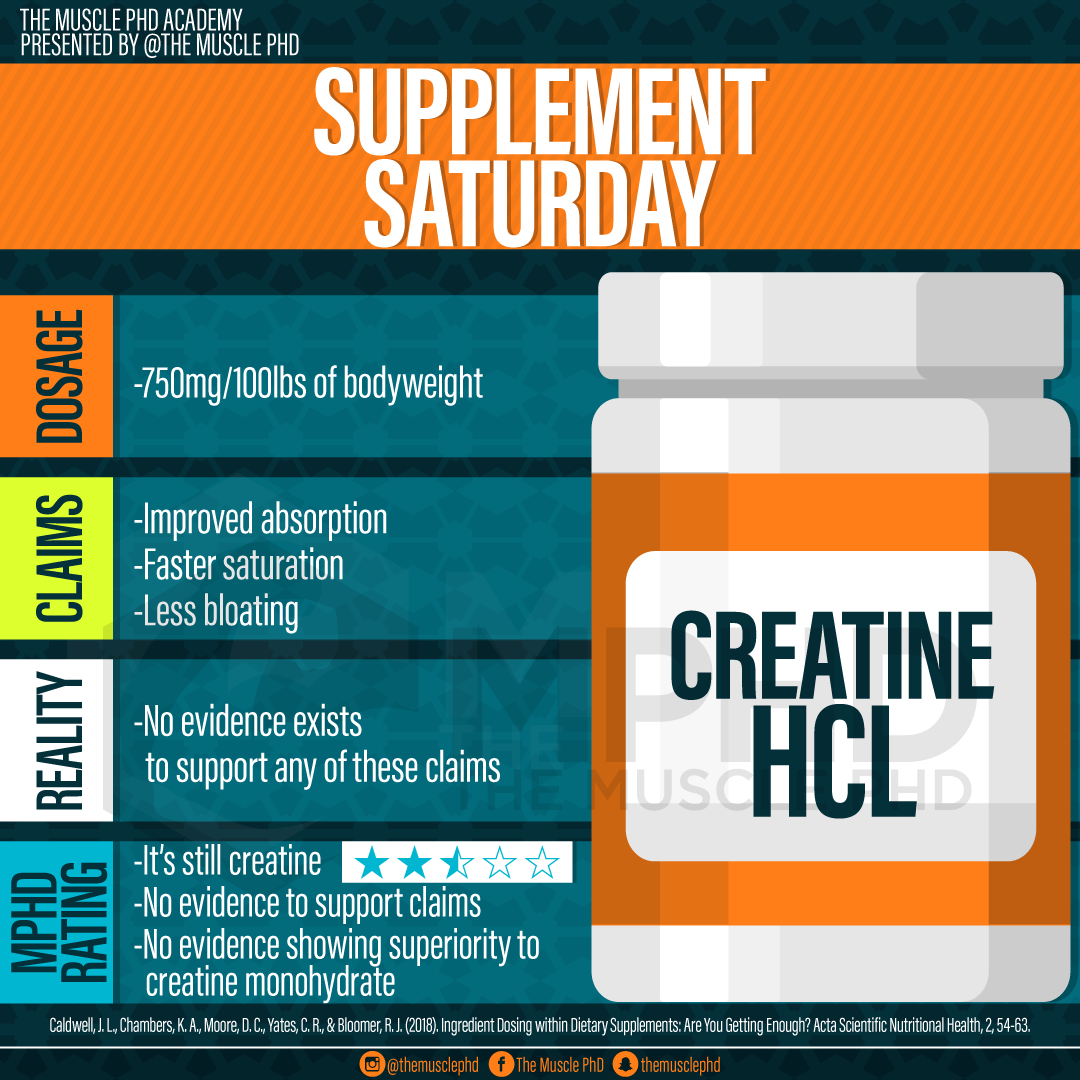
- Absorption speed: HCl’s high solubility may allow it to pass through the stomach and into the bloodstream a bit quicker.
- Dosage size: Because the body can potentially use a higher percentage of each gram, users often take half the dose of HCl compared to monohydrate.
- Stomach comfort: Some athletes report less bloating or cramping with HCl, especially when they’re sensitive to the “full” feeling that monohydrate can cause.
None of these points alone proves superiority, but they shape how each form fits into a daily supplement stack.
How Does Each Form Work Inside Your Muscles?
Both versions ultimately deliver the same molecule—creatine—to your skeletal muscle cells. Once inside, creatine combines with phosphate to form phosphocreatine, the rapid energy reservoir that fuels short bursts of high‑intensity activity, such as sprinting or heavy lifts. When you’re done, phosphocreatine donates its phosphate to ADP, quickly regenerating ATP, the cell’s primary energy currency.
Because the end product is identical, the performance gains reported in studies—typically a 5‑15% increase in maximal power output—apply to both monohydrate and HCl, provided you consume an effective dose.
Effective Dosing: Monohydrate vs. HCl
Standard creatine monohydrate protocols suggest a loading phase of 20 g per day split into four doses for five to seven days, followed by a maintenance dose of 3‑5 g daily. Many people skip the loading phase and simply take 5 g each day, achieving similar muscle saturation over a few weeks.
Creatine HCl manufacturers usually recommend 1‑2 g per day with no loading phase. The rationale is that the higher solubility allows the body to absorb a larger fraction of the ingested amount, reducing the need for larger doses.
In practice, if you’re already comfortable with monohydrate’s 3‑5 g daily and experience no gastrointestinal upset, there’s little reason to switch. However, if you find the volume of powder or occasional bloating irritating, a lower dose of HCl might feel smoother.
Cost Considerations
Price is where the debate becomes stark. Creatine monohydrate is a commodity; bulk powder can cost as little as $0.02 per gram. Creatine HCl, marketed as a premium, “enhanced” form, often sells for $0.05–$0.10 per gram. Over a year, the difference can add up to $100 or more, depending on how disciplined you are with daily intake.
If you’re on a tight budget, monohydrate’s low price and extensive research backing make it the logical choice. If you’re willing to spend extra for convenience and potentially better stomach tolerance, HCl could be worth the premium.
Real‑World Experiences: What Do Users Say?
Surveys of strength athletes and endurance runners reveal a split. About 60 % of respondents who tried both forms reported no noticeable performance difference, noting that the “muscle pump” and “strength jumps” felt the same. Roughly 30 % said they preferred HCl for its ease of mixing and reduced bloating, while the remaining 10 % felt monohydrate gave a slightly stronger “fullness” sensation, which some associate with better muscle fullness during workouts.
It’s worth remembering that personal perception can be influenced by expectations. If you anticipate that a new supplement will feel better, you might be more inclined to notice subtle differences.
Which Form Should You Choose?
Here’s a quick decision guide:
- Goal: Maximize performance on a budget? Stick with creatine monohydrate—its efficacy is proven, and the cost per gram is unbeatable.
- Goal: Minimize gastrointestinal discomfort? Try creatine HCl, especially if you’ve struggled with bloating on monohydrate.
- Goal: Simplify dosing? HCl’s smaller daily dose can be easier to incorporate into a tight supplement schedule.
- Goal: Follow the science to the letter? Monohydrate has the most peer‑reviewed research, making it the safest bet for evidence‑based results.
Ultimately, both forms can help you increase phosphocreatine stores, improve high‑intensity performance, and support recovery. Your choice may hinge more on personal tolerance, cost, and convenience than on any dramatic difference in muscle power.
Frequently Asked Questions
Is creatine HCl more effective than monohydrate?
Current research does not show a clear superiority in performance outcomes. Both deliver creatine to muscle cells; the main advantage of HCl lies in solubility and potentially better stomach comfort.
Can I stack both forms together?
Mixing them is generally unnecessary. Since they provide the same end product, taking both just adds cost without a proven benefit.
Do I need a loading phase with creatine HCl?
Most manufacturers suggest skipping the loading phase and taking 1‑2 g daily. This approach works because the higher solubility may allow quicker saturation.
Will creatine cause weight gain?
Creatine can increase water retention in muscle cells, which may reflect as a modest weight rise of 0.5‑2 kg. This is not fat gain and usually diminishes once supplementation stops.