CO2 Heat Pumps: Weighing the Pros and Cons
How CO2 Heat Pumps Operate
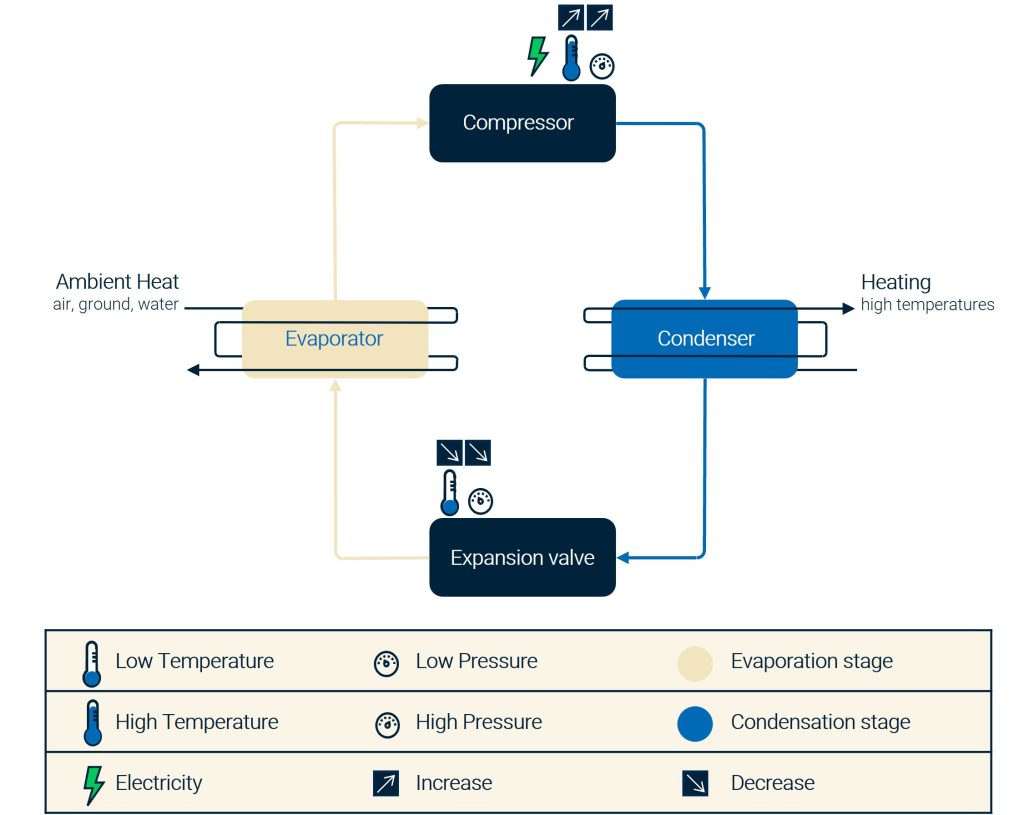
CO2 heat pumps use refrigerant R‑744, a natural gas with a low global warming potential, to transfer heat between the indoor environment and the outside air. Unlike synthetic refrigerants, CO2 has a high pressure cycle that allows it to extract warmth even when temperatures drop to -20 °C. The system compresses the gas, condenses it into a liquid, releases heat to the building, and then expands to absorb heat again, completing a continuous loop.
Key Advantages of CO2 Heat Pumps
Because CO2 is naturally abundant and non‑toxic, the environmental footprint of these units is substantially lower than that of conventional heat pumps. They also deliver higher efficiency in cold climates, with coefficient of performance (COP) values that can exceed 3.0 in moderate winter temperatures. Additionally, the absence of chlorofluorocarbons (CFCs) or hydrochlorofluorocarbons (HCFCs) means that CO2 heat pumps comply automatically with many international emissions regulations.
Economic Factors to Consider
The upfront cost of a CO2 heat pump unit can be 20‑30 % higher than that of a standard air‑source model. Installation complexity—particularly the need for a high‑pressure pipe network—also pushes the price higher. However, many jurisdictions offer grants or tax credits for low‑carbon heating solutions, and the longer service life of the system (often 15‑20 years) can offset the initial outlay. Running costs remain competitive; the higher COP translates into lower electricity usage per kilowatt‑hour of heat delivered.
Downsides That You Should Know About
- Higher Installation Complexity – The system requires a pressurized piping network that must be carefully insulated and sealed to avoid leaks. This adds time and labour to the construction process.
- Limited Availability of Parts – Because CO2 heat pumps are still a niche technology, replacement components can be harder to source, potentially extending repair times.
- Pressure‑Related Risks – Operating at high pressures means that any failure can result in rapid depressurization. While manufacturers include safety relief valves, the potential for catastrophic pressure loss necessitates rigorous maintenance.
- Performance in Extreme Cold – Although CO2 systems perform well at moderately low temperatures, their efficiency drops sharply below -20 °C, which can be problematic in very northern regions unless paired with supplemental heating.
- Higher Initial Costs – The premium price point may deter homeowners on tight budgets, especially when compared to newer electric resistance heating options.
Is It the Right Choice for Your Project?
Deciding whether a CO2 heat pump fits your needs hinges on climate, budget, and long‑term sustainability goals. If you live in a temperate area, have access to incentives, and are willing to invest in a higher‑quality installation, the system’s environmental and efficiency benefits can outweigh its disadvantages. In harsher climates, you’ll need to evaluate whether the cold‑weather performance remains acceptable, or if you should complement the pump with a backup boiler.
Frequently Asked Questions
- What makes CO2 heat pumps more eco‑friendly than conventional units?
CO2 has a global warming potential of zero, unlike many synthetic refrigerants that contribute to atmospheric warming. Using it eliminates the risk of accidental release of potent greenhouse gases.
- Can a CO2 heat pump run in sub‑zero temperatures?
Yes, but its efficiency decreases below -20 °C. In such conditions, many installations combine the pump with an electric or gas backup system to maintain comfort.
- How long does a CO2 heat pump typically last?
With proper maintenance, the lifespan is around 15–20 years, comparable to high‑quality conventional heat pumps.
- Are there rebates for installing a CO2 heat pump?
Many regions offer incentives for low‑carbon heating solutions. Check local government or utility programs to see if you qualify for grants or tax credits.