Choosing Polarized Sunglasses: A Mandarin‑Speaking Guide
When you step outside on a bright day, the glare from asphalt, water or snow can make it hard to see. Polarized sunglasses cut that glare, reducing eye strain and improving clarity. If you’re a Mandarin‑speaking shopper, this guide will help you navigate the terminology, quality markers, and buying tips so you can pick a pair that protects your eyes and fits your style.
What Are Polarized Sunglasses?
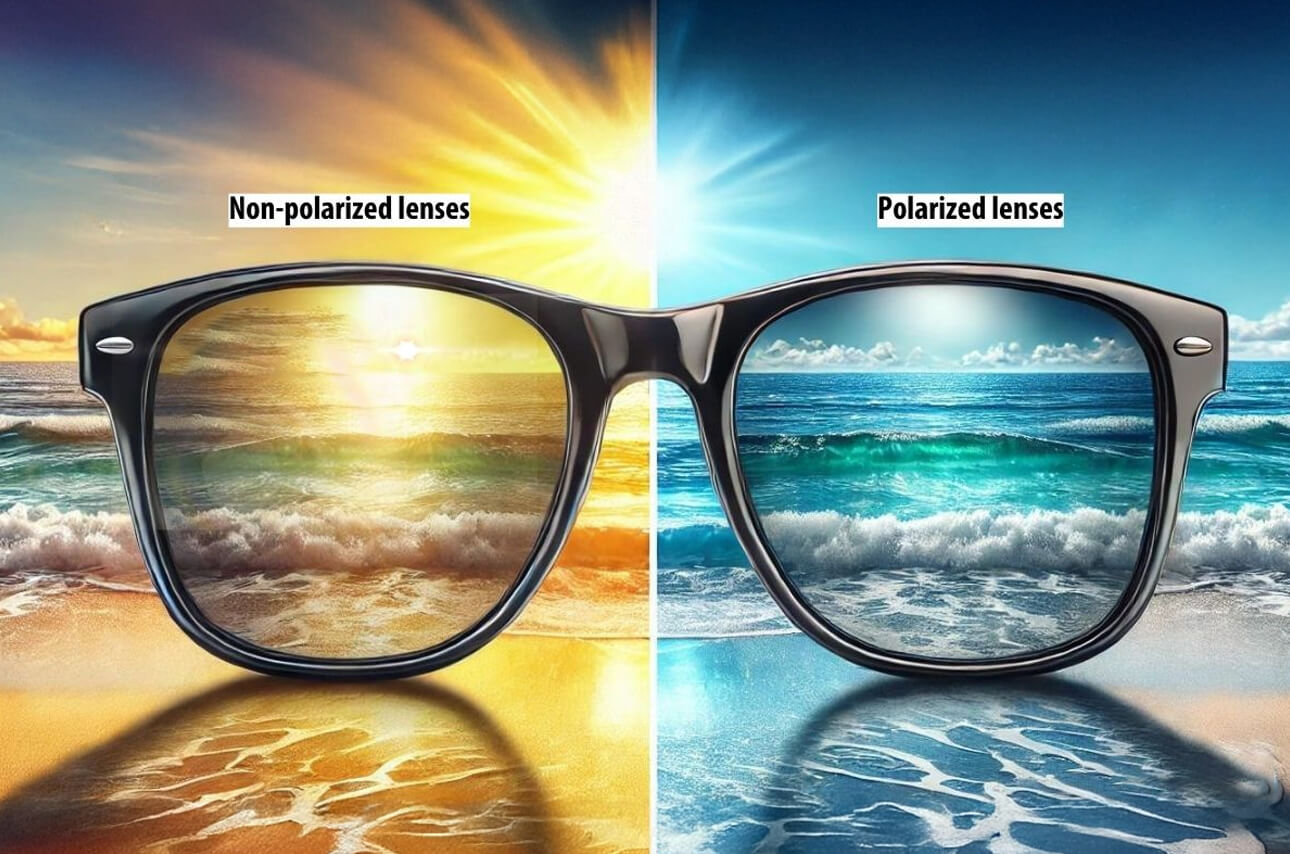
Polarized lenses contain a special filter that blocks horizontally polarized light— the kind that reflects off flat surfaces. Ordinary lenses let all reflected light pass, which is why you see that shimmering glare on a lake or highway. With polarized lenses, that glare is dramatically reduced, giving you a sharper, more natural view.
Key Technical Terms (in Mandarin)
- 偏光镜 (piānguāng jìng) – Polarized lenses
- UV 防护 (UV fánghù) – UV protection
- 光学折射 (guāngxué zhéshè) – Optical refraction
- 色彩饱和度 (sècǎi bǎohé dù) – Color saturation
When shopping, ask for “偏光镜” to ensure the lenses truly have a polarization filter. Most reputable brands label their polarized models clearly.
Benefits You’ll Notice
Beyond glare reduction, polarized sunglasses bring several tangible advantages:
- Improved visual acuity: colors appear more vibrant and details are clearer.
- Reduced eye fatigue: less squinting means fewer headaches during long drives or hikes.
- Enhanced safety: glare‑free vision is crucial for driving and water sports.
- Eye health: when combined with UV protection, they shield your retina from harmful rays.
How to Spot Quality Polarized Lenses
Not every “polarized” label guarantees the same level of performance. Check these indicators:
- Polarization level – Look for “≥ 90%” or “High‑Grade Polarization.”
- UV rating – Opt for 100% UV400 protection; lower ratings let dangerous rays through.
- Lens material – Polycarbonate or Trivex are lighter and impact‑resistant; glass offers superior optical clarity but is heavier.
- Anti‑reflective coating – This reduces the glare from the inside of the lenses, further sharpening the image.
Test in the Store
Hold a flat surface, like a coffee cup, in front of the lenses while you turn your head. If the glare disappears or dims noticeably, the lenses are genuinely polarized. A quick test on a sunny road works too.
Popular Brands for Mandarin‑Speaking Buyers
While global brands dominate the market, several local Chinese manufacturers also offer high‑quality polarized eyewear. Below is a mix of international and domestic options, each known for reliable polarization and UV shielding.
- Oakley (欧克利) – Known for sporty designs and robust lens technology.
- Ray‑Ban (雷朋) – Classic styles with polarized options that pair well with everyday wear.
- Miu‑Miu (米婭米婭) – Fashion‑forward frames that incorporate polarized lenses for style and function.
- JINS (晶司) – A popular Chinese brand offering affordable polarized lenses with a 100% UV400 rating.
- Diop (迪欧) – Provides a range of polarized models tailored for driving and outdoor activities.
Choosing the Right Fit
Frame shape, size, and lens color all influence both comfort and visual performance. Consider the following:
- Face shape – Round frames suit square faces; rectangular frames complement round faces.
- Lens color – Gray or green lenses preserve natural color balance; brown or amber lenses enhance contrast in low‑light situations.
- Bridge width – Ensure the bridge sits snugly over the nose; adjustable nose pads add comfort.
Trying on multiple pairs is essential. A well‑fitting pair reduces eye fatigue and keeps the lenses in place during active use.
Maintenance Tips
To keep polarized lenses performing at their best:
- Wipe gently with a microfiber cloth; avoid abrasive paper towels.
- Store in a soft pouch or case when not in use.
- Avoid placing the lenses on hot surfaces; high temperatures can damage coatings.
- Replace lenses after 1–2 years if scratches or discoloration appear.
Proper care extends the life of the polarization effect and the overall clarity.
Frequently Asked Questions
Q1: Are polarized sunglasses safe for driving?
A1: Yes, as long as they have 100% UV400 protection and no reflective coatings inside the lenses that can distort vision. Many car manufacturers recommend polarized lenses for daytime driving, but some pilots advise against them for night driving due to potential glare from headlights.
Q2: Will polarized lenses interfere with digital screens?
A2: Some polarized lenses can cause a slight interference or ghosting effect when viewing LCD or LED screens. Anti‑glare coatings on the lenses mitigate this, and most modern polarized sunglasses are designed to be screen‑friendly.
Q3: Are there polarized glasses for children?
A3: Yes, many brands produce polarized lenses for children. Look for 100% UV protection and lightweight materials like Trivex, as kids’ frames may not be as sturdy.
Q4: Can polarized sunglasses be used indoors?
A4: While polarization mainly combats outdoor glare, they can still offer clearer vision indoors when there are reflective surfaces—like glass doors or polished floors—especially in bright rooms.
With a clear understanding of polarization, key specifications, and local brand options, you’re now equipped to pick the right pair of polarized sunglasses. Enjoy safer, clearer, and more comfortable sight on every adventure.