Centrifuge Machines: A Beginner’s Guide to Their Science
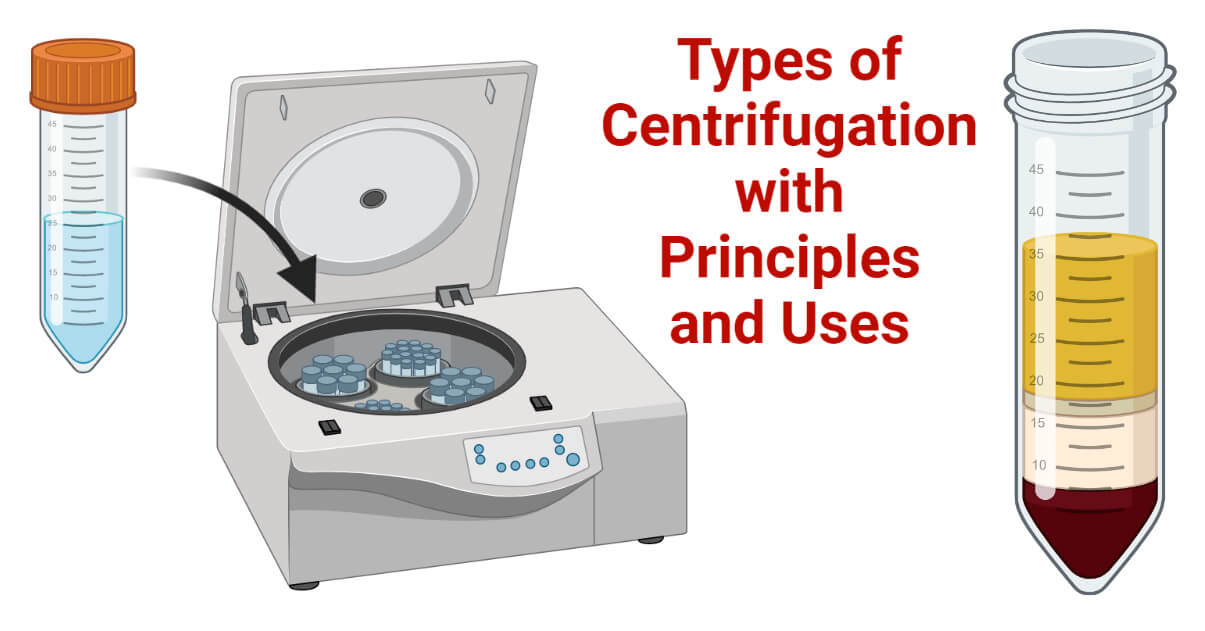
Centrifuge machines are a staple in laboratories, hospitals, and even industrial settings. They separate mixtures based on density, using rapid rotation to fling heavier particles to the outer edge of a spinning container. If you’ve ever seen a lab bench with a humming, spinning disk, chances are it’s a centrifuge. This guide will walk you through what makes these machines tick, the common types you’ll encounter, and how to safely operate one.
Centrifuge Machines Basics
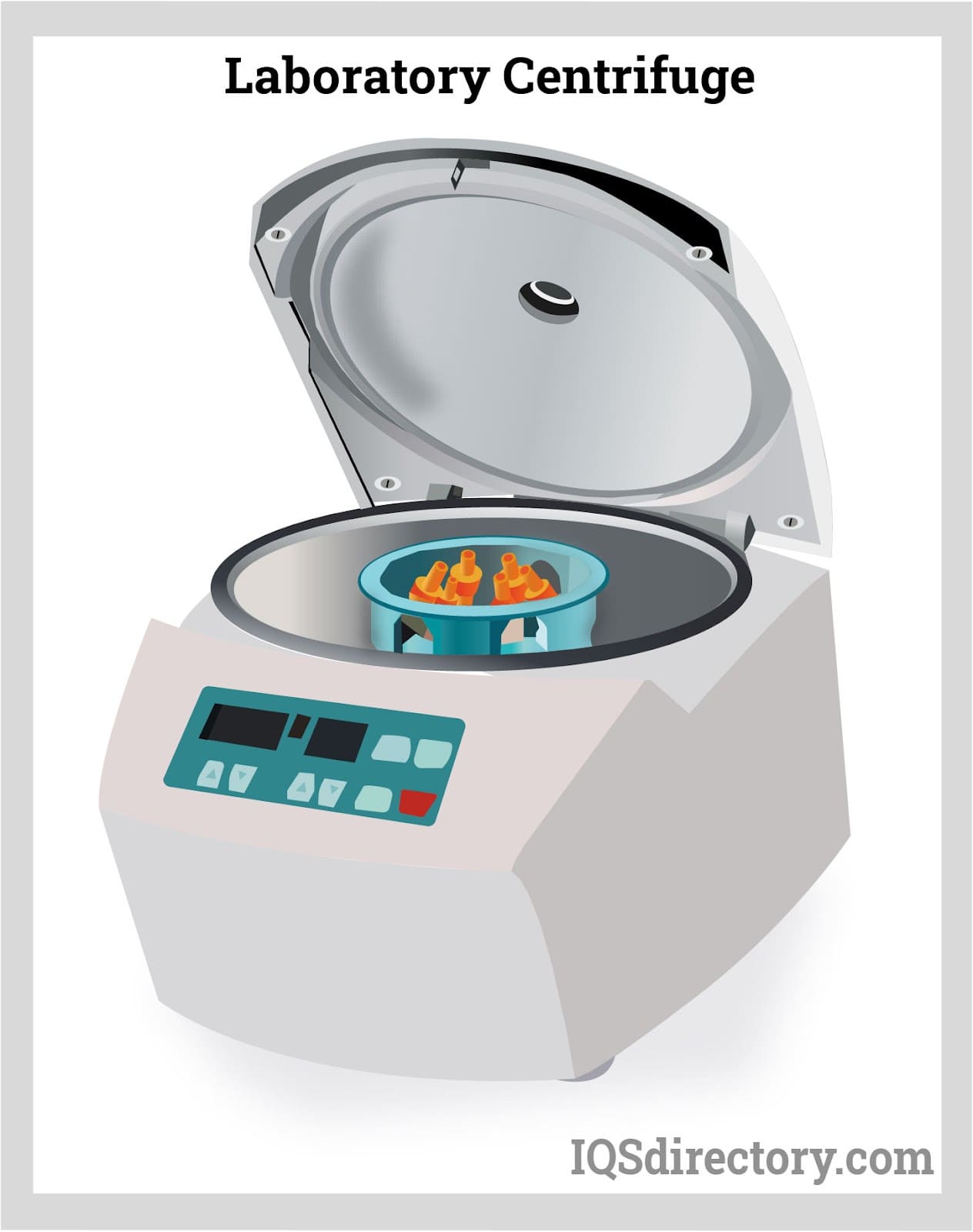
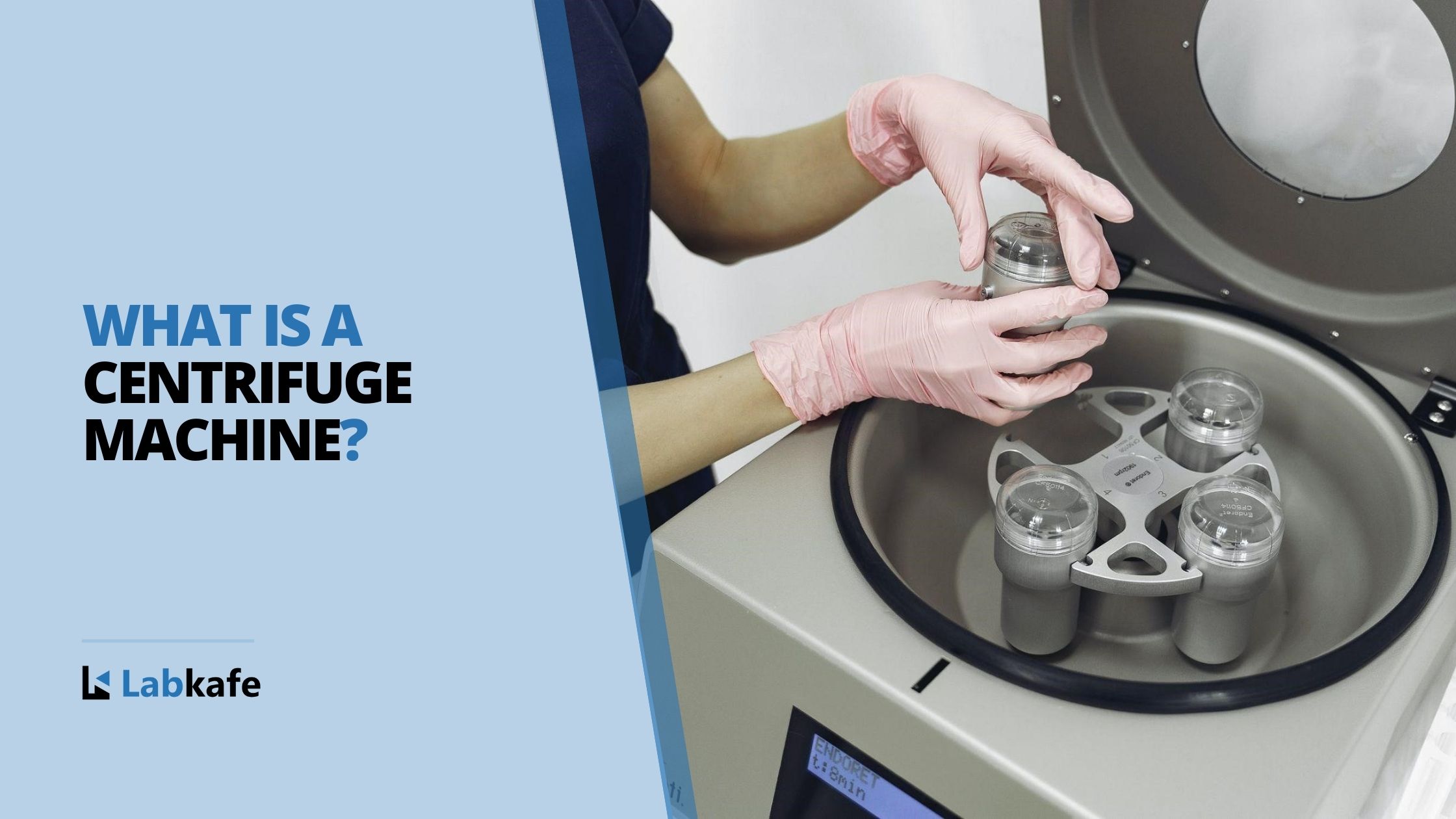
The heart of a centrifuge is a rotor—an assembly of tubes or plates that spins around a central axis. When the rotor turns, a centrifugal force pushes the sample outward. The force is proportional to the product of the sample’s mass, the square of the angular velocity, and the distance from the axis. In practice, this means that a faster spin or a longer radius makes separation more effective.
Most laboratory centrifuges are designed for low to moderate speeds, usually up to a few thousand revolutions per minute (RPM). Industrial models can exceed 30,000 RPM, enabling the separation of fine particles or the removal of contaminants from fluids.
Key terms you’ll hear:
- Relative centrifugal force (RCF) – The force exerted on the sample, expressed in “times gravity” (×g). RCF is calculated from RPM and rotor radius, and it’s the parameter that dictates how fast particles will move.
- Rotor type – Fixed-angle, swinging-bucket, and rotors with adjustable angles each have unique applications, from blood separation to ultracentrifugation of macromolecules.
- Tip cap – A protective cover that prevents sample leakage and splatter during operation.
Choosing the Right Centrifuge for Your Needs
Different tasks require different centrifuge configurations. Below are common categories:
- Microcentrifuges – Small, tabletop units that spin 1–2 ml tubes at 15,000 RPM. Ideal for DNA, RNA, or protein extraction.
- Bench-top centrifuges – Larger than microcentrifuges, capable of spinning 50 ml or 250 ml tubes at 20,000–25,000 RPM. Used in most academic labs.
- High-speed centrifuges – Reach up to 30,000 RPM, suitable for pelleting organelles or precipitating proteins.
- Ultracentrifuges – Spin at 100,000–200,000 RPM, enabling the isolation of viruses, subviral particles, or very fine cellular components.
When selecting a model, consider the sample volume, required RCF, and the type of rotor that will accommodate your tubes. If you’re unsure, many manufacturers provide conversion tables that map RPM to RCF for specific rotor radii.
Safety Tips for Operating a Centrifuge
Proper safety practices prevent accidents and extend the life of your machine:
- Balance your load – Uneven distribution of tubes creates excessive vibration and can damage the rotor. Always pair tubes and keep them matched by weight.
- Check for defects – Inspect rotors, caps, and seals before each run. A cracked tip or bent rotor can cause catastrophic failure.
- Use the correct speed – Exceeding the manufacturer’s maximum RPM is a leading cause of rotor breakage. RCF calculations help keep you within safe limits.
- Secure the door – Ensure the centrifuge lid is locked before starting. Modern models often have interlocks that prevent operation unless the door is closed.
- Maintain cleanliness – Clean the rotor and tubes after each use. Residual samples can corrode metal and degrade performance.
Common Uses of Centrifuge Machines
Beyond the laboratory, centrifuges play a pivotal role in many everyday processes:
- Blood bank separation of plasma, red cells, and platelets.
- Food industry for clarifying juices or removing pulp.
- Water treatment plants for sedimentation and sludge removal.
- Pharmaceutical manufacturing to isolate active ingredients.
In research, they enable the purification of nucleic acids, isolation of organelles, and even the study of viral particles.
Maintaining Your Centrifuge
Regular maintenance keeps your centrifuge reliable and safe. Follow these steps annually:
- Clean the rotor and tube holders with a mild detergent, avoiding harsh chemicals that can degrade plastic.
- Check the alignment of the rotor shaft and replace any worn bearings.
- Test the speed calibration with a calibrated weight to confirm accurate RPM readings.
- Inspect the door seal for wear and replace if necessary to prevent sample loss.
Keep a maintenance log that records every service event, part replacement, and any unusual observations during operation. This record will be invaluable if a component fails or if you need to troubleshoot performance issues.
Frequently Asked Questions
What is the difference between RCF and RPM?
RPM (revolutions per minute) measures how fast the rotor turns. RCF (relative centrifugal force) reflects the effective force felt by a sample, accounting for both RPM and rotor radius. RCF is the key parameter when comparing centrifugation protocols across machines.
Can I use a standard lab centrifuge to separate blood plasma?
Yes, but you must use a blood-compatible rotor and tube. Also, keep the speed below the manufacturer's maximum to avoid hemolysis. Many labs employ a swinging-bucket rotor at 1,500–2,000 ×g for this purpose.
How long can I run a centrifuge continuously?
Most benchtop centrifuges can operate for a few hours at moderate speeds, but continuous operation at high speeds can overheat the motor. Refer to the user manual for the recommended duty cycle, typically 1 hour on/4 hours off for high-speed runs.
What should I do if my centrifuge starts vibrating?
Stop the machine immediately. Check that the rotor is balanced, the tubes are properly secured, and the lid is latched. Excessive vibration usually indicates an imbalance or a damaged rotor.
Centrifuge machines are indispensable tools that, when used correctly, provide precise and repeatable separation of mixtures. By understanding the fundamentals, selecting the appropriate model, and following safety and maintenance protocols, you can harness the full potential of these versatile devices.