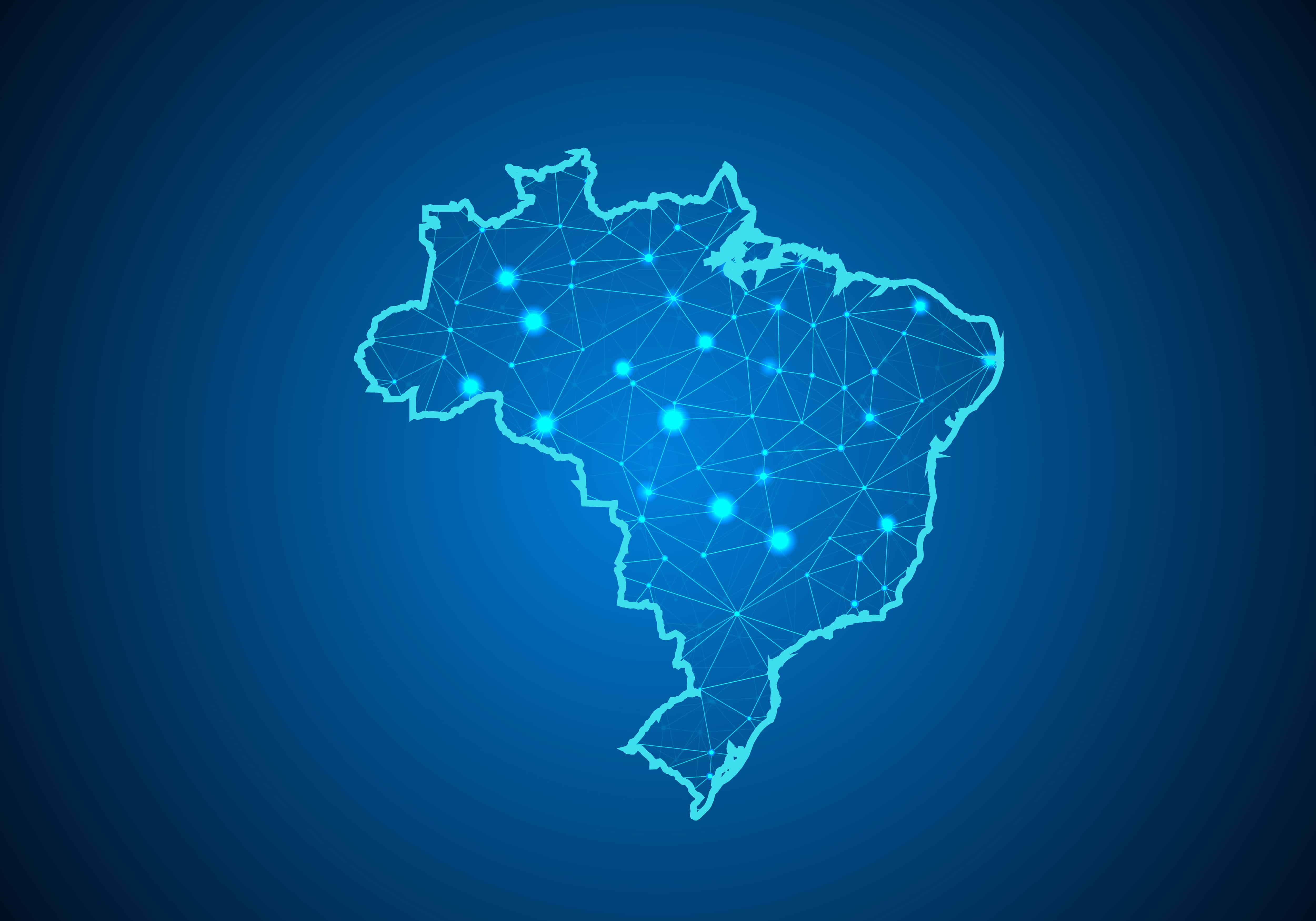
Brazil's Tech Boom: How It’s Bridging the Digital Divide
When most people hear “tech boom,” images of Silicon Valley or Shenzhen spring to mind. But in Brazil, a similar surge is reshaping how people live, work, and connect—especially for communities that once sat on the digital periphery. This wave isn’t just about flashy gadgets; it’s a concerted effort to close the gap between urban hubs and remote regions, making the internet an equalizer across the country.
Brazil's Tech Boom Drives Connectivity Across Brazil
At its core, the digital divide refers to the unequal access to information and communication technologies. In Brazil, the divide historically ran along lines of geography, income, and education. Urban centers such as São Paulo and Rio de Janeiro enjoyed high broadband speeds, while rural areas and the vast Amazon basin lagged behind.
Recent data show a clear shift: internet penetration climbed from about 35 % in 2010 to roughly 77 % by 2021, with mobile internet usage surpassing 80 % in many states. Yet, a substantial segment of the population remains without reliable connectivity, underscoring the importance of ongoing initiatives.
The Brazilian government launched the National Broadband Plan in 2018, a multi‑year strategy aimed at extending fiber‑optic networks to underserved municipalities. By 2024, the plan had already spurred investments exceeding R$30 billion, translating into new broadband lines in more than 1,200 communities.
Private companies are stepping in as well. Telecom giants like Vivo, Claro, and TIM have deployed 4G and 5G infrastructure across the country, offering subsidized data packages to low‑income households. Meanwhile, satellite companies such as HughesNet and Starlink provide connectivity to islands and remote villages where terrestrial networks are unfeasible.
Startups play a pivotal role, turning Brazil’s tech boom into grassroots impact. Companies such as Nubank, PagSeguro, and Stone are pioneering mobile banking solutions that reach users who historically lacked access to brick‑and‑mortar banks. By enabling digital payments through simple smartphones, these firms are eroding the financial aspects of the digital divide.
In the education sector, e‑learning platforms have become mainstream. Universities offer massive open online courses (MOOCs) through Coursera and Udemy, while the Ministry of Education’s “Educação Digital” initiative distributes tablets to students in remote schools. These efforts have doubled the number of students accessing digital textbooks in rural regions.
Beyond the classroom, Brazil’s health system is embracing telemedicine. Mobile health apps connect patients in the Amazon with specialists in São Paulo, reducing travel costs and improving diagnostic accuracy. The Ministry’s “Saúde Digital” program also subsidizes broadband in hospitals and clinics across the Northeast.
5G rollout is accelerating, especially in metropolitan areas. However, the technology’s potential for bridging the divide is most evident when paired with low‑cost edge computing nodes. These nodes store and process data locally, minimizing latency for users in remote zones and enabling real‑time services such as video conferencing for distance learning.
Still, obstacles persist. High infrastructure costs, challenging terrain, and regulatory hurdles can delay projects in some regions. Moreover, digital literacy remains uneven; simply providing a connection does not guarantee effective use.
To address this, NGOs and community groups conduct digital literacy workshops, teaching basic computer skills and safe online practices. In partnership with local governments, these programs ensure that new connections translate into tangible economic opportunities—such as remote work, e‑commerce, and digital entrepreneurship.
The synergy between public policy, private investment, and community engagement is what makes Brazil’s tech boom more than a headline; it’s a tangible force for inclusion. As the country moves forward, the focus will shift from merely expanding connectivity to fostering an ecosystem where every Brazilian can thrive online.
Frequently Asked Questions
- What drives Brazil’s rapid increase in internet penetration? A combination of government broadband plans, telecom subsidies, and the proliferation of affordable smartphones has accelerated access across the country.
- How are rural areas benefiting from the tech boom? Rural communities gain high‑speed fiber, satellite links, and mobile data plans, while local NGOs provide digital training to maximize usage.
- Can fintech help bridge the digital divide? Yes; mobile banking platforms reach unbanked populations, enabling secure transactions and financial inclusion even in remote regions.