Beyond Debt Forgiveness: Common Terms and Their Meanings
When you hear “debt forgiveness,” you probably picture a lender wiping the slate clean. Yet the financial world is full of nuanced language that describes similar relief but with subtle legal or practical differences. Understanding these alternative terms can help borrowers navigate negotiations, avoid costly misunderstandings, and choose the option that best fits their situation.
What Exactly Is Debt Forgiveness?
In its simplest form, debt forgiveness means a creditor voluntarily cancels all or part of a borrower’s obligation. The borrower is no longer required to repay the forgiven amount, and the creditor absorbs the loss. This can happen in personal finance, corporate restructuring, or sovereign debt settlements. While the concept sounds straightforward, the tax implications, reporting requirements, and eligibility criteria can vary dramatically.
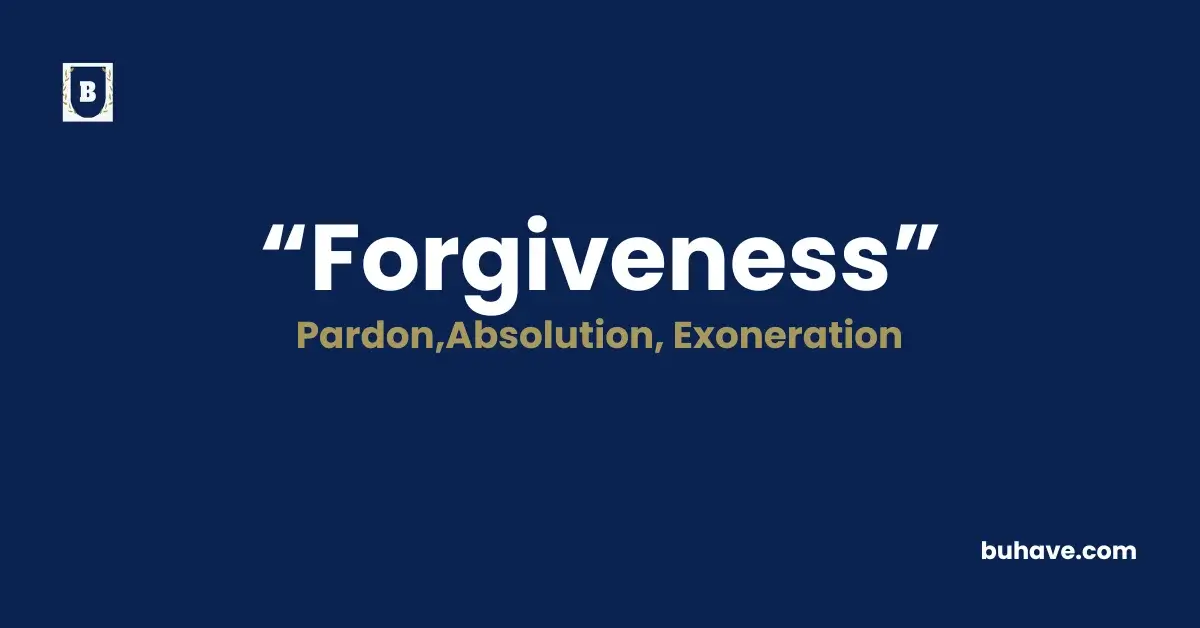
Synonyms You Might Encounter
Different stakeholders—banks, legal counsel, and policymakers—tend to use distinct terminology, each carrying its own connotations.
- Debt Cancellation: Often used interchangeably with forgiveness, but may imply a unilateral decision by the lender without any negotiation.
- Debt Write‑off: Common in accounting, where the creditor removes the debt from its books because it’s deemed uncollectible.
- Debt Discharge: Frequently appears in bankruptcy contexts, indicating that a court has eliminated the debtor’s liability.
- Debt Relief: A broader umbrella term that includes forgiveness, restructuring, and other forms of assistance.
- Debt Settlement: Involves a negotiated agreement where the borrower pays a lump sum—usually less than the full amount—in exchange for the creditor’s release of the remaining balance.
- Loan Modification: Adjusts the original loan terms (interest rate, payment schedule) rather than erasing debt entirely.
- Principal Reduction: The lender agrees to lower the principal balance, often as part of a larger restructuring package.
Legal Contexts: Discharge vs. Forgiveness
In bankruptcy law, a discharge is the formal release of debts after a court-approved process. It’s not a voluntary act by the creditor but a statutory outcome. By contrast, private debt forgiveness usually results from direct negotiations and may lack the same protective provisions for the debtor, such as the automatic stay that halts collection actions during bankruptcy.
Understanding this distinction matters. A discharge can shield a debtor from creditor lawsuits, whereas a simple forgiveness agreement might still leave room for the lender to pursue collection on any portion not expressly waived.
Financial Reporting: Write‑offs and Their Impact
From an accounting perspective, a write‑off signals that an asset—here, the receivable—has lost value. The lender records a loss on its income statement, which can affect profitability and capital ratios. For the borrower, a write‑off may have tax consequences; in many jurisdictions, the forgiven amount is treated as taxable income, unless specific exemptions apply.
Because of these ramifications, some lenders prefer a “partial write‑off” combined with a new repayment plan, preserving some recoverable value while offering relief.
Negotiated Solutions: Settlement and Principal Reduction
When a borrower cannot meet the original terms, a settlement can be a win‑win. The debtor pays a reduced amount, often in a lump sum, and the lender recovers at least part of the loan. This approach is common with credit card debt and medical bills, where collection agencies may purchase distressed debt at a discount and then negotiate settlements.
Similarly, a principal reduction lowers the outstanding balance without changing the repayment schedule dramatically. Mortgage lenders sometimes employ this tactic during a housing market downturn to keep borrowers in their homes and avoid foreclosure.
Policy‑Driven Programs: Debt Relief Initiatives
Governments and international bodies occasionally launch large‑scale debt relief programs, especially for developing nations. The International Monetary Fund and World Bank have facilitated “debt swaps” where a portion of a sovereign’s debt is canceled in exchange for commitments to invest in environmental or social projects.
These initiatives differ from individual forgiveness in that they’re usually tied to macro‑economic goals and involve multiple stakeholders, including NGOs and private investors.
Choosing the Right Path for Your Situation
If you’re facing overwhelming debt, start by assessing your goals:
- Do you need immediate cash flow? A settlement or principal reduction may be more realistic than waiting for a full forgiveness.
- Are you concerned about credit score impacts? Bankruptcy discharge can stay on a credit report for up to ten years, while a negotiated forgiveness might have a shorter reporting window.
- Is tax liability a major worry? Consult a tax professional before accepting any forgiveness, as the forgiven amount could be taxable.
Talking to a financial counselor or attorney can clarify which term best matches your needs and help you frame the conversation with lenders in the language they understand.
FAQ
What’s the difference between debt forgiveness and debt settlement?
Debt forgiveness generally means the lender cancels the debt without requiring further payment. Debt settlement involves the borrower paying a reduced amount—often a lump sum—to satisfy the creditor, who then releases the remaining balance.
Can I be taxed on forgiven debt?
In many jurisdictions, the amount forgiven is considered taxable income, unless you qualify for specific exclusions such as insolvency or certain student‑loan forgiveness programs.
Is a debt write‑off the same as a discharge?
No. A write‑off is an accounting action that removes the debt from the creditor’s books, while a discharge is a legal release of liability, typically granted through bankruptcy courts.
Do debt relief programs affect my credit score?
Yes, most forms of debt relief—whether forgiveness, settlement, or restructuring—are reported to credit bureaus and can lower your score. The impact varies by the type of relief and how it’s recorded.