Balochistan on Twitter: Unpacking the Latest Debate
In recent weeks, a surge of Balochistan-related content has flooded the global timeline, sparking debates about politics, human rights, and the role of social media in conflict zones. The phrase “Balochistan posts on Twitter” has become a buzzword among journalists, activists, and ordinary users who are trying to make sense of the narrative being constructed in real time.
Why Balochistan Posts Are Sparking Controversy
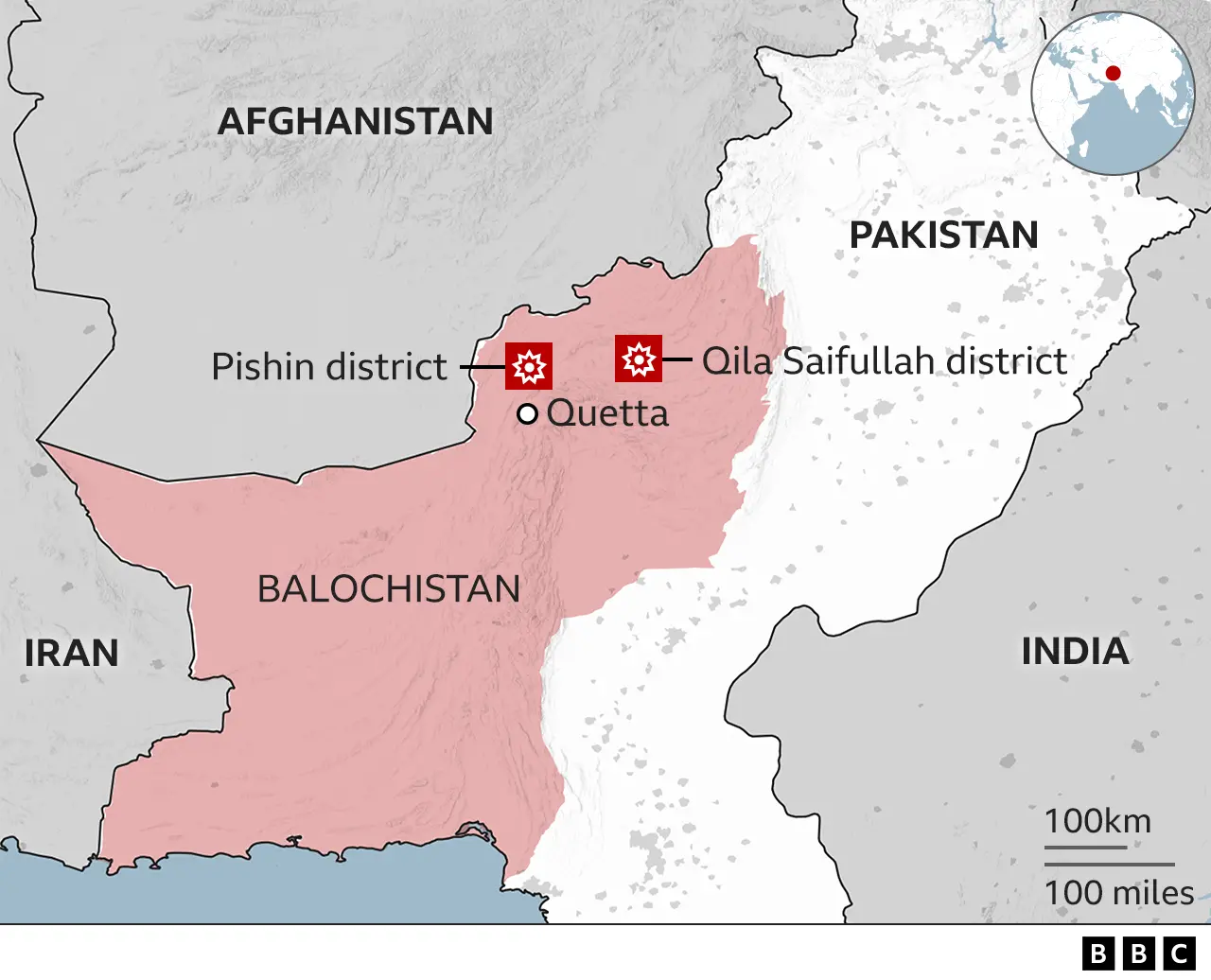
At the heart of the issue lies Pakistan’s province of Balochistan—an area rich in natural resources but plagued by underdevelopment, political unrest, and allegations of state repression. When influential accounts—ranging from local activists to international human‑rights groups—begin airing allegations of abuses, the topic can quickly snowball into a media frenzy.
Key factors driving the conversation include:
- Political Context: The central government’s approach to Balochistan is often criticized for heavy-handedness.
- Human‑Rights Claims: Reports of extrajudicial killings and enforced disappearances have been circulated by NGOs.
- Social Media Amplification: Twitter’s character limit forces complex stories into short, sometimes sensationalized, posts.
- International Attention: Global audiences are increasingly willing to scrutinize domestic conflicts through the lens of digital evidence.
How Twitter Policies Interact With the Debate
Twitter’s policies on misinformation and hate speech can both help and hinder the discussion. Content flagged for potential defamation may be removed, but the removal itself often fuels speculation. Meanwhile, the platform’s algorithmic recommendation system can push users toward echo chambers, amplifying certain narratives while drowning out counter‑views.
Case Studies: Tweets That Made Headlines
Two recent incidents illustrate how a single tweet can ignite a global conversation.
1. The “Oil‑Rich but Oppressed” Thread
A prominent Baloch journalist posted a thread detailing the province’s wealth—particularly its offshore gas fields—paired with photographs of underdeveloped infrastructure. The thread amassed millions of impressions and prompted a backlash from state officials who demanded a correction. The government’s subsequent statement was shared widely, creating a back‑and‑forth exchange that dominated the trending topics list.
2. The “Missing Soldiers” Meme Campaign
An activist account shared a meme featuring a photograph of a missing soldier’s family. The image went viral, and within hours, several international NGOs issued statements condemning alleged abductions by security forces. The government’s response was to claim the allegations were “unsubstantiated,” a claim that was met with skepticism on Twitter and prompted a wave of retweets by diaspora communities.
What Users Are Asking: Common Questions and Answers
Below are a few questions that frequently appear in the “People Also Ask” section for this topic, followed by concise, fact‑based answers.
- Is Twitter a reliable source for information about Balochistan? Twitter can provide real‑time updates, but users should cross‑check claims with reputable news outlets or official reports.
- How can I verify the authenticity of a Balochistan tweet? Look for corroborating evidence such as media reports, satellite imagery, or statements from recognized organizations.
- What is the government’s stance on these allegations? The Pakistani government generally denies accusations of human‑rights abuses in Balochistan and attributes tensions to insurgent activities.
- Can I share a tweet about Balochistan without violating Twitter’s policy? Yes, but ensure the content does not contain defamation or unverified claims that could be flagged as misinformation.
The Bigger Picture: Social Media as a Tool for Advocacy
Beyond individual incidents, the Balochistan debate highlights how platforms like Twitter serve as modern arenas for advocacy. For groups lacking traditional media access, the ability to publish videos, photographs, and eyewitness accounts instantly can shift public perception and mobilize support. However, the same speed also opens the door to misinformation, prompting a delicate balance between free expression and responsible reporting.
For citizens in Balochistan, these online conversations are more than abstract debates—they often translate into tangible actions. From organizing protests in Karachi to lobbying foreign governments for intervention, digital discourse can spill over into real‑world policy shifts.
Practical Tips for Navigating Balochistan Posts on Twitter
If you’re looking to stay informed without getting lost in the noise, consider the following:
- Follow Credible Sources: NGOs like Human Rights Watch and reputable journalists often provide verified context.
- Check for Multimedia Evidence: Videos or geotagged photos add credibility to a claim.
- Use the “Verified” Filter: Accounts with the blue check mark tend to represent official or highly reputable entities.
- Engage Critically: Don’t accept every tweet at face value; question motives and potential biases.
In a world where a single tweet can influence international policy, staying discerning is crucial. By understanding the mechanics behind the debate, users can appreciate the complexity of Balochistan’s situation while contributing responsibly to the conversation.