Audi Q5 vs BMW X5 vs Mercedes GLE: Which Luxury SUV Reigns?
Comparing the Audi Q5, BMW X5, and Mercedes GLE
When you step onto a dealership floor and see the three German stalwarts side by side, the decision feels less like a purchase and more like a taste test. The Audi Q5, BMW X5, and Mercedes‑G‑Class‑derived GLE each promise a blend of performance, premium feel, and everyday usability. Understanding how they differ—beyond badge appeal—helps you pick the model that fits your driving habits and budget.
Design language: Subtle elegance versus bold presence
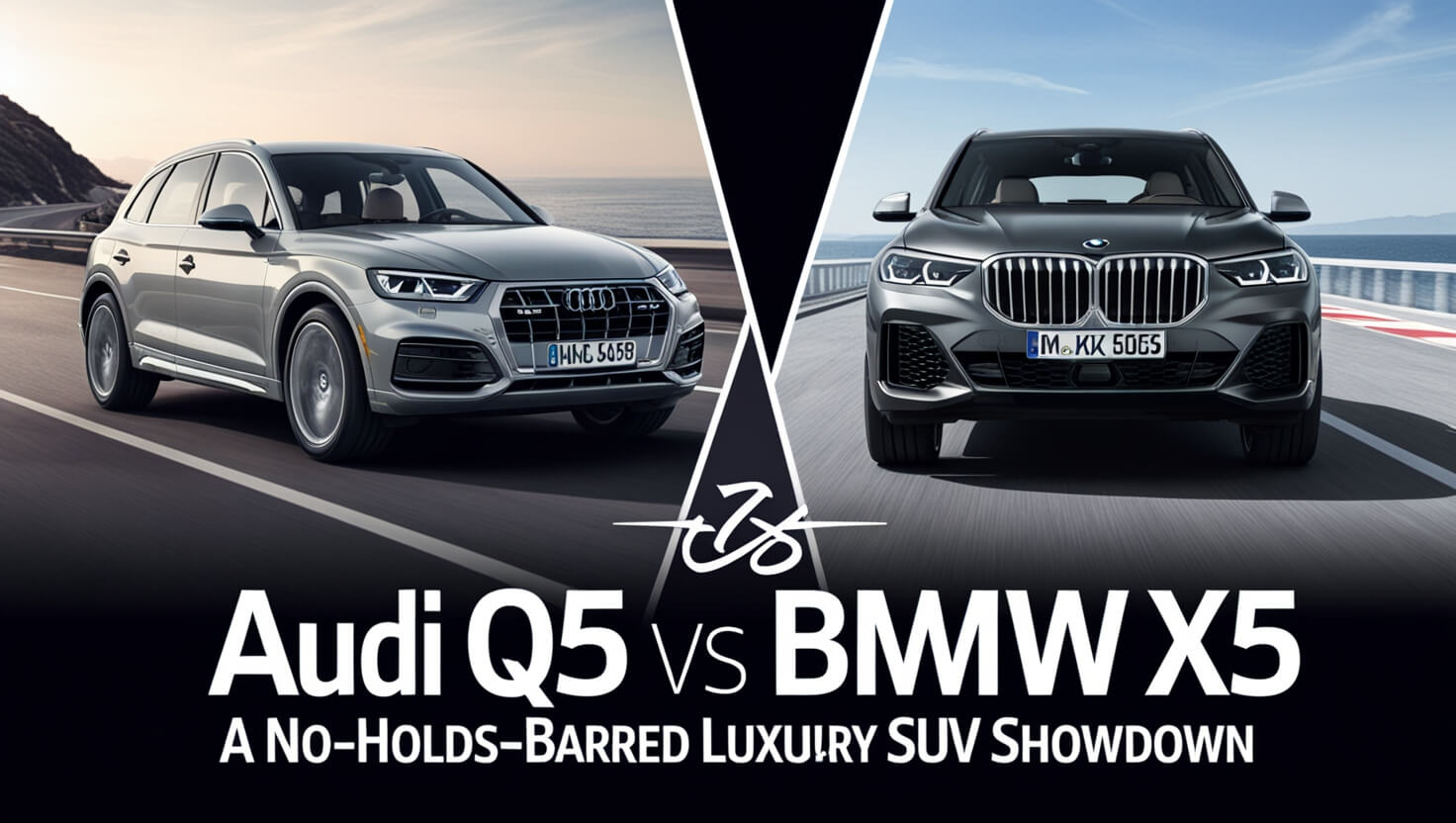
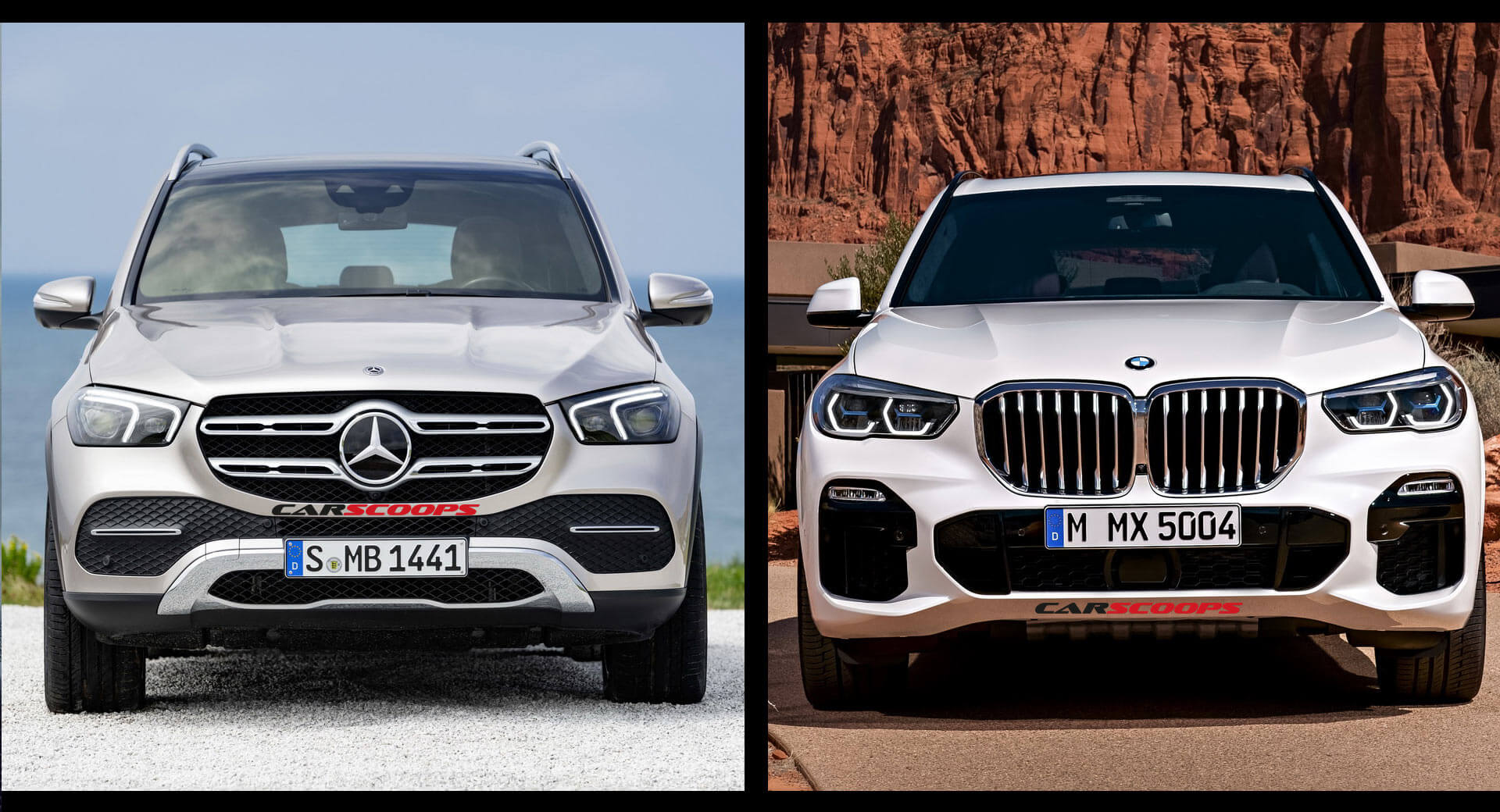
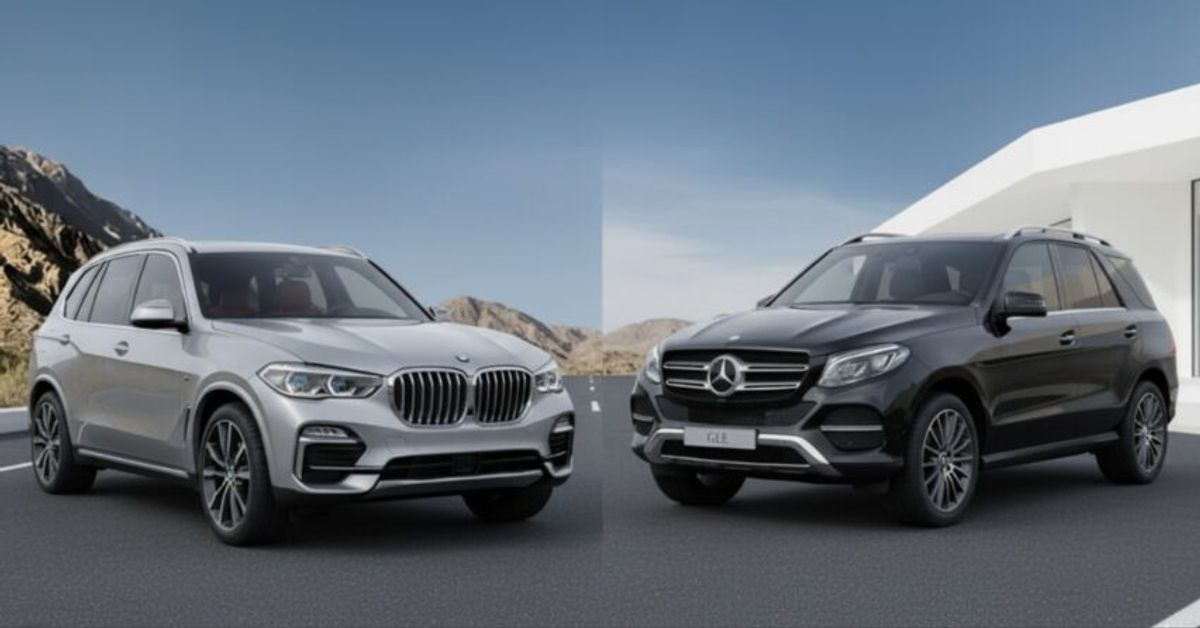
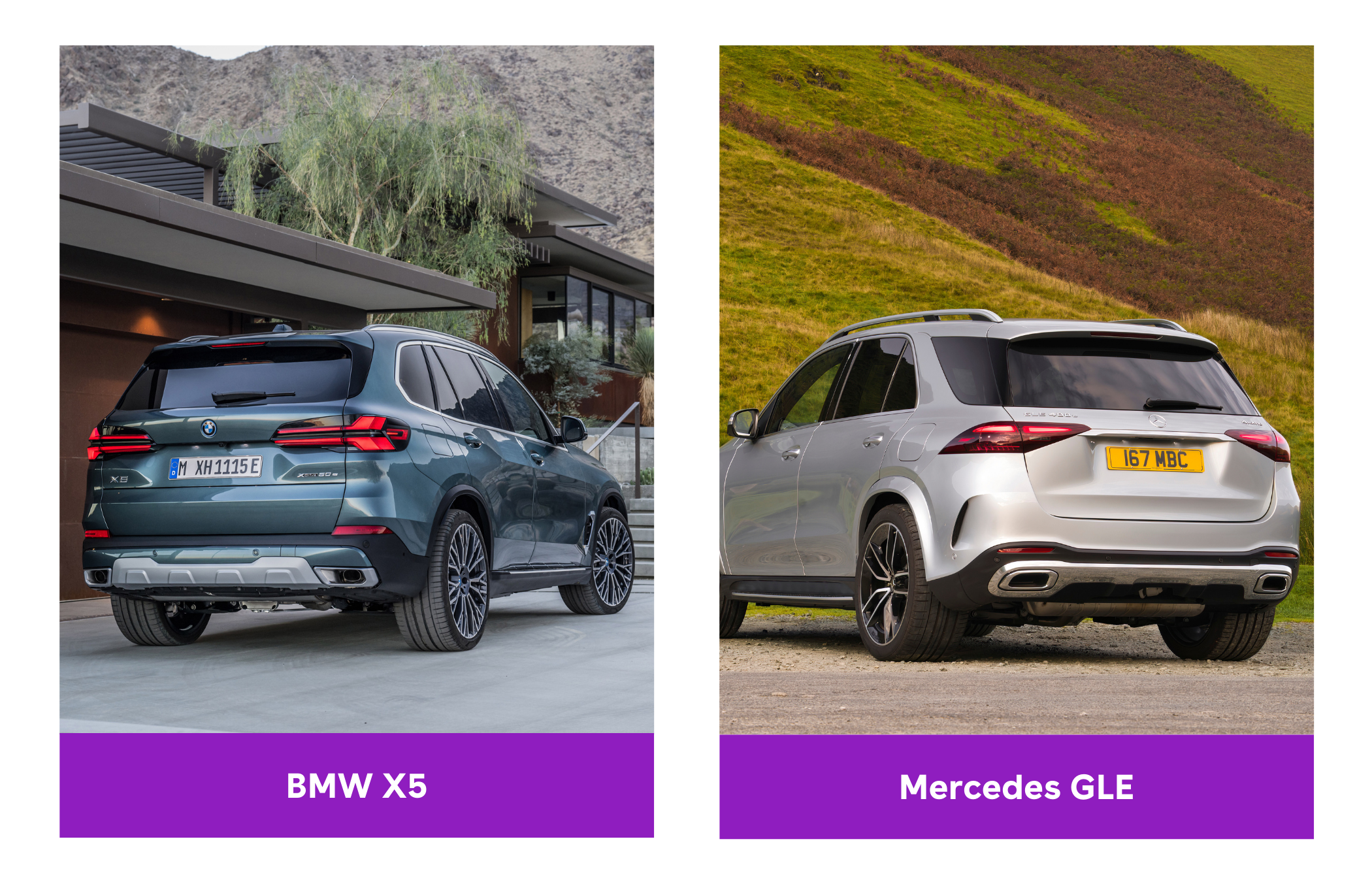
The Q5 leans into Audi’s “singleframe” grille, giving it a sleek, understated silhouette. Its roofline is slightly sloped, which softens the SUV vibe without sacrificing interior space. The BMW X5, meanwhile, flaunts the iconic kidney grille—now larger than ever—paired with muscular fenders that suggest a sport‑scar feel. Finally, the Mercedes GLE embraces a more sculpted front end, with a larger grille flanked by LED headlights that look almost futuristic.
All three models manage a balanced proportion, but the Q5’s design will likely attract drivers who favor a low‑key premium look. The X5 shouts confidence, while the GLE aims for a sophisticated, almost aristocratic aura.
Powertrain options and driving dynamics
Audi’s Q5 starts with a 2.0‑liter turbo‑four that churns out about 261 horsepower, paired with a mild‑hybrid system for smoother starts. It feels lively enough for city commuting and can handle highway merges without breaking a sweat. The X5 offers a broader spectrum: a base 3.0‑liter inline‑six delivering 335 hp, a plug‑in hybrid variant topping out at 389 hp, and a high‑performance M50i with 523 hp. BMW’s emphasis on rear‑biased handling makes the X5 feel more like a coupe on wheels.
Mercedes counters with a 2.0‑liter turbo‑four in the entry‑level GLE, producing 255 hp, and a 3.0‑liter inline‑six in the GLE 450 that pushes 362 hp. The AMG‑tuned GLE 53 adds mild electrification for a combined 429 hp, delivering a smoother, more refined acceleration curve than the X5’s raw edge. Overall, the X5 leads in pure performance variety, while the GLE leans toward effortless power delivery.
Interior quality and technology
Step inside any of these cabins, and you’ll notice a meticulous attention to material choice. Audi’s Virtual Cockpit digital display dominates the Q5’s dash, offering customizable clusters that feel futuristic yet intuitive. Soft‑touch plastics and optional leather upholstery create a calm atmosphere.
BMW’s iDrive 8 system in the X5 is arguably the most advanced, with a curved screen that blends the instrument cluster and infotainment. Gesture controls and over‑the‑air updates keep the tech feeling fresh. The layout, however, can be a touch cluttered for newcomers.
Mercedes counters with the MBUX system, featuring voice activation (“Hey Mercedes”) and an intuitive touchpad controller. The GLE’s interior boasts ambient lighting zones and a dual‑screen setup that feels both luxurious and user‑friendly. Across the board, all three offer wireless Apple CarPlay/Android Auto, but the GLE’s attention to tactile quality gives it a slight edge in pure opulence.
Space, cargo, and practicality
The Q5’s rear seat legroom is adequate for adults, though taller passengers might feel a pinch on longer trips. Its cargo volume reaches about 53 cubic feet with the rear seats folded. The X5 shines here, offering up to 72 cubic feet and generous third‑row space in some trims, making it a true family hauler.
The GLE sits between the two: roughly 63 cubic feet of cargo space and a slightly wider rear seat. Its optional third row is best suited for children, but the flexible seating configurations make loading groceries or sports gear straightforward. If you need the most room without stepping into a full‑size SUV, the X5 is the clear winner.
Pricing, ownership costs, and value retention
Base prices in the U.S. start around $45,000 for the Audi Q5, $58,000 for the BMW X5, and $56,000 for the Mercedes GLE. While the Q5 appears the most affordable, its options—especially the Premium Plus package—can quickly add up, narrowing the gap. The X5’s performance‑focused variants command a premium, but they also tend to hold resale value well, thanks to BMW’s strong brand perception among enthusiasts.
Mercedes traditionally enjoys a solid depreciation curve, especially for the GLE, which benefits from a reputation for durability and lower maintenance costs in its class. Incentives and lease deals can swing the economics in any direction, so it pays to shop around and consider total cost of ownership rather than sticker price alone.
Which SUV wins the crown?
If you prioritize a sleek, understated design and a balanced blend of tech and comfort, the Audi Q5 feels like a natural fit. For drivers who crave a sporty driving experience, a wide array of powertrains, and maximum cargo flexibility, the BMW X5 takes the lead. Meanwhile, the Mercedes GLE offers the most luxurious interior ambience and a smooth, powerful ride that leans toward effortless elegance.
Ultimately, the “winner” aligns with what matters most to you: quiet sophistication (Audi), dynamic performance with practical space (BMW), or refined luxury with a plush ride (Mercedes). Test each model, compare the features you can’t live without, and let your personal driving style tip the scales.
Frequently Asked Questions
- Is the Audi Q5 a good family SUV? Yes, its safety suite and respectable cargo capacity make it suitable for small families, though taller teens might find rear legroom a bit tight on long journeys.
- Which model offers the best fuel efficiency? The Audi Q5 and Mercedes GLE 350 both achieve roughly 23‑24 mpg combined, slightly edging out the base X5’s 21‑22 mpg. Plug‑in hybrid options in the X5 and GLE can improve real‑world fuel use if you charge regularly.
- Do any of these SUVs have a true third row? The BMW X5 offers an optional third‑row seat in certain trims, but it’s best for children. The Mercedes GLE also provides a third row, though it’s similarly sized for younger passengers. The Q5 does not.
- How do maintenance costs compare? Generally, BMW tends to have higher routine service expenses, while Mercedes and Audi are comparable and slightly lower. Warranty coverage and service packages can mitigate these differences.