Audi A6 Avant 50 TFSI E: Real‑World Fuel Consumption Explained
Official figures vs what you’ll actually see on the road
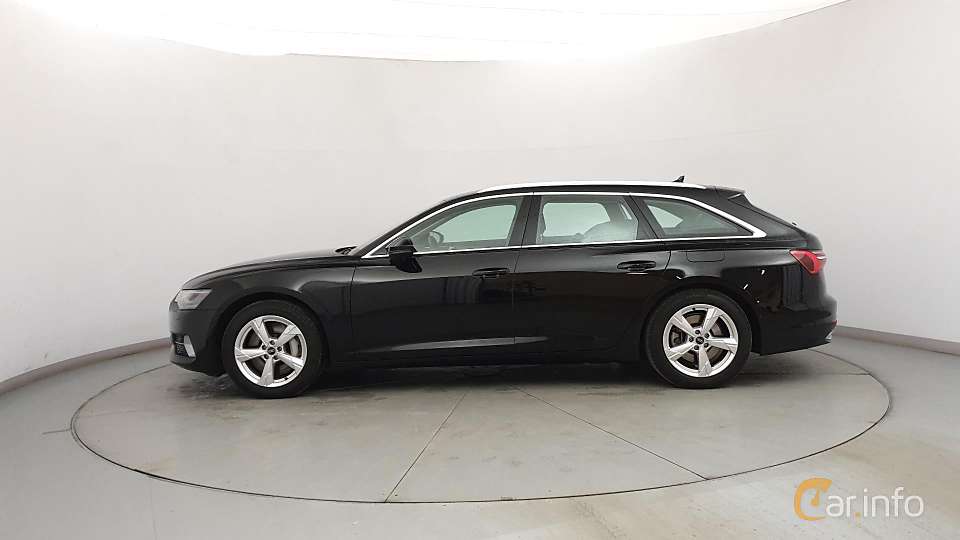
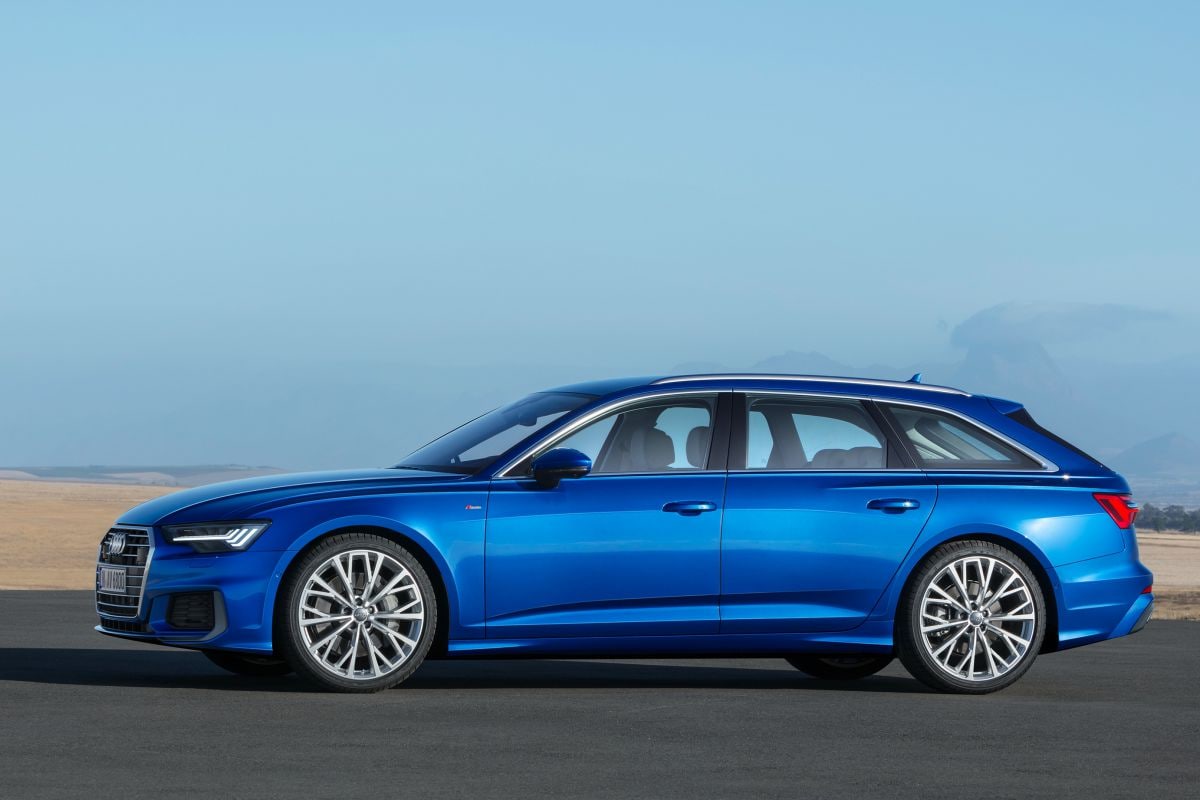
The plug‑in hybrid version of the Audi A6 Avant 50 TFSI E is marketed with an official WLTP combined figure of around 1.8 L/100 km (≈130 mpg) when the battery is fully charged. In practice, most owners report numbers that sit somewhere between 2.0 L/100 km and 3.5 L/100 km, depending heavily on how often they charge, the length of their trips, and driving style. This gap between the quoted “real‑world fuel consumption” and the WLTP number is where the story gets interesting.
How the WLTP test works – and why it can feel optimistic
The Worldwide Harmonised Light Vehicles Test Procedure (WLTP) measures fuel use on a dynamometer using a standardized drive cycle that mixes city, suburban, and highway phases. While it’s far more realistic than the old NEDC test, WLTP still assumes a brand‑new car, optimal tire pressure, and a battery that starts at 100 % charge for hybrids. Those conditions rarely match everyday life, especially for a plug‑in hybrid that may spend many days without a charge.
Typical real‑world numbers for the A6 Avant 50 TFSI E
Based on owner reports from forums, fuel‑economy tracking apps, and independent road tests, here’s a rough breakdown:
- Short urban trips (under 30 km) with a partially depleted battery: 3.0 – 3.5 L/100 km.
- Mixed city‑highway commutes (about 50 % each) with regular charging: 2.2 – 2.6 L/100 km.
- Long highway runs (over 150 km) after a full charge: 2.0 – 2.3 L/100 km.
- Pure electric mode (up to 50 km range) for daily errands: zero fuel consumption, but only if you charge every night.
These figures show why the “real‑world fuel consumption” of the A6 Avant 50 TFSI E can swing dramatically—charging habits are the biggest lever.
Key factors that push the numbers up or down
Even with a charged battery, several variables influence how much fuel the A6 actually drinks:
- Ambient temperature: Cold weather reduces battery efficiency and forces the engine to run longer to heat the cabin.
- Load and cargo: The Avant’s spacious boot is a blessing, but a fully loaded trunk or roof rack adds aerodynamic drag and weight.
- Driving style: Aggressive acceleration or high‑speed cruising quickly depletes the electric range, prompting the gasoline engine to take over.
- Terrain: Hilly routes demand more regenerative braking, which can help recapture energy, but steep climbs often require the engine to stay on.
- Charging frequency: Plugging in nightly restores the electric buffer, keeping the engine in standby mode for longer stretches.
Tips to keep the A6 Avant 50 TFSI E sipping fuel
If you want to stay close to that 1.8 L/100 km claim, consider the following practical habits:
- Charge at home or work every night; a full 13 kWh battery gives roughly 50 km of electric‑only travel.
- Use the “E‑Mode” for short city hops and switch to “Hybrid” only when the battery drops below 20 %.
- Maintain tire pressure within the recommended range; under‑inflated tires can increase consumption by up to 5 %.
- Plan routes that combine highway cruising with occasional regenerative braking zones (e.g., gentle downhill sections).
- Keep the climate control at moderate settings; pre‑conditioning while plugged in reduces engine load.
How the A6 Avant 50 TFSI E stacks up against rivals
When compared with other plug‑in hybrid executive wagons—such as the Mercedes‑Benz E‑Class Estate PHEV or the Volvo V60 Recharge—the Audi’s fuel consumption sits comfortably in the middle of the pack. The E‑Class often reports 1.9 L/100 km under ideal conditions, while the V60 can edge lower at 1.7 L/100 km, but both require similarly disciplined charging routines. The Avant’s advantage lies in its refined quattro system and the spacious interior, which many owners consider worth the modest fuel penalty.
What the numbers mean for your wallet
Assuming an average European diesel price of €1.80 per litre and a realistic consumption of 2.4 L/100 km, a 15,000 km annual mileage translates to roughly €648 in fuel costs. Add the electricity expense—about €0.20 per kWh for a full charge— and the total annual energy spend drops to around €720, a small increase over a conventional diesel A6 Avant but with the benefit of lower emissions.
Frequently Asked Questions
Can I achieve the WLTP rating without charging at home?
It’s unlikely. The WLTP figure assumes a fully charged battery for the entire test. Without regular overnight charging, the gasoline engine will engage more often, pushing consumption above the official rating.
How does cold weather affect the electric range?
Battery capacity drops roughly 10‑15 % in sub‑zero temperatures, meaning the Avant’s electric‑only range may shrink from 50 km to about 40 km. The engine may also run briefly to warm the cabin, adding a small fuel penalty.
Is the “Sport” driving mode worse for fuel economy?
Yes. Sport mode sharpens throttle response and holds the engine at higher RPMs, which reduces the reliance on electric propulsion and increases fuel burn.
Do regular service intervals impact fuel consumption?
Keeping the engine oil, air filter, and spark plugs in good shape helps the combustion process stay efficient, which can shave a few tenths of a litre per 100 km from real‑world figures.