Apache Spark Demystified: Core Concepts and Inner Workings
When you hear “big data,” a common answer is Apache Spark. Spark is an open‑source distributed computing system that lets developers process terabytes of information in minutes instead of days. It powers data pipelines for recommendation engines, fraud detection, and real‑time analytics across dozens of tech companies.
What Exactly Is Apache Spark?
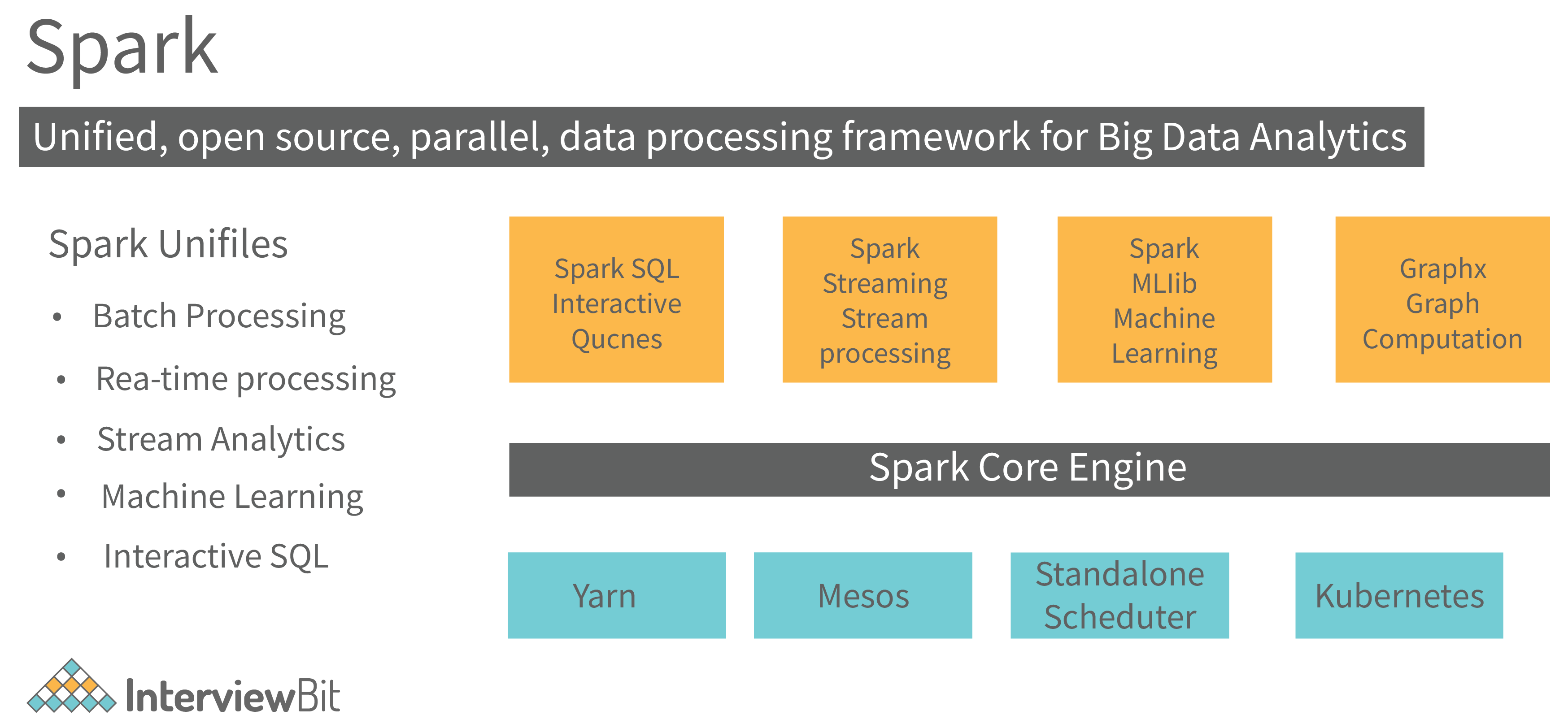
At its heart, Spark is a cluster‑wide engine that turns raw data into actionable insights. It builds on the MapReduce model but eliminates the need for repeated disk writes between stages. Instead, Spark keeps data in memory, reducing latency and accelerating iterative workloads. The result is a versatile platform that can handle batch jobs, streaming data, machine learning, and graph computations—all from a single code base.
Why Spark Is a Game Changer for Big Data
Traditional Hadoop MapReduce forces every step of a job to flush to disk, making iterative algorithms (like those used in machine learning) prohibitively slow. Spark’s in‑memory processing, combined with a sophisticated DAG scheduler, allows a single job to run in a fraction of the time. Additionally, Spark’s unified API lets developers write code once and run it against batch, stream, or graph workloads without rewriting logic.
Key Components of Spark’s Architecture
Resilient Distributed Datasets (RDDs)
RDDs are immutable, fault‑tolerant collections that span a cluster. They form the foundation for all Spark operations, enabling transformations (e.g., map, filter) and actions (e.g., count, collect). Because RDDs remember how they were created, Spark can reconstruct lost partitions automatically if a node fails.
DataFrames and Datasets
DataFrames bring a tabular structure to Spark, similar to SQL tables, with schema enforcement. They expose a high‑level API that optimizes queries through the Catalyst optimizer. Datasets merge the type safety of RDDs with the performance benefits of DataFrames, making them ideal for complex analytics in Scala and Java.
Spark SQL
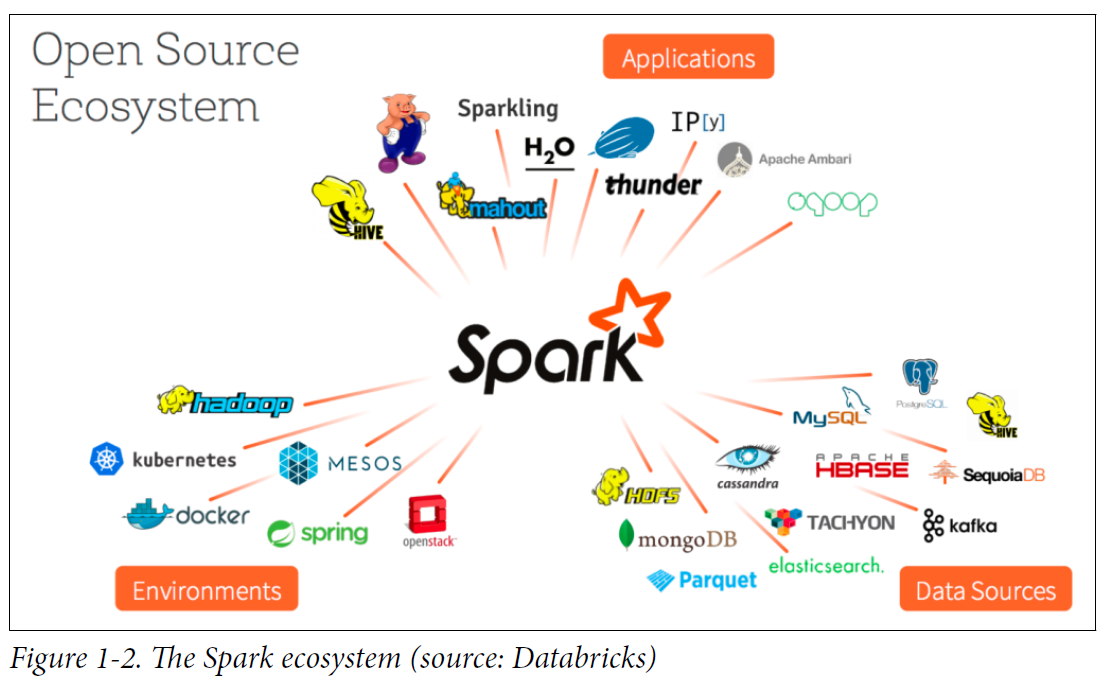
Built on DataFrames, Spark SQL lets users query data using familiar SQL syntax. It supports ANSI‑SQL and can connect to external data sources like Hive, Parquet, and JDBC. Because Spark SQL queries are parsed into logical plans, the engine can push optimizations down to storage layers when possible.
How Spark Executes Tasks
Cluster Manager Interaction
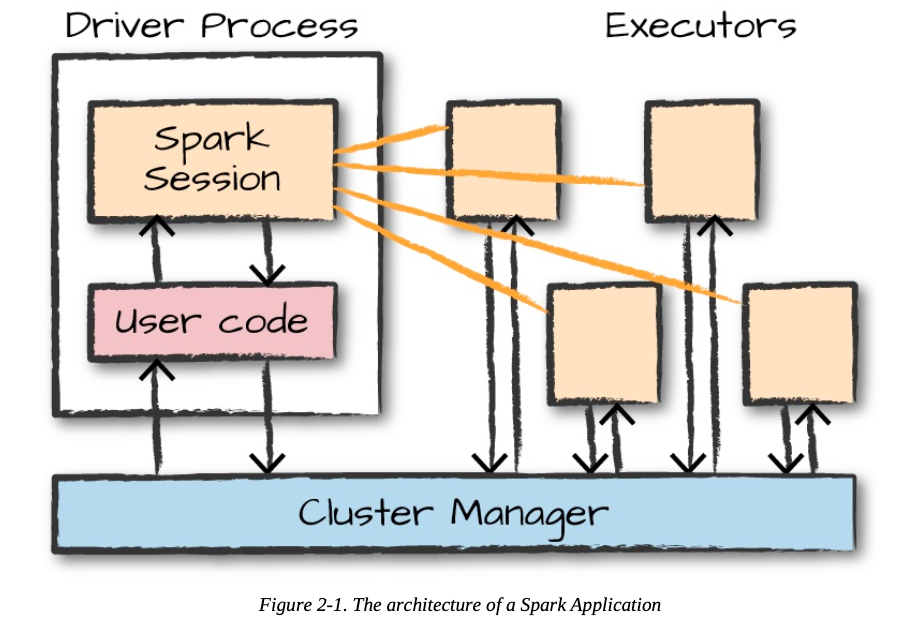
Spark can run on YARN, Mesos, or its own standalone cluster manager. The driver program submits jobs to the cluster manager, which allocates executors—processes that run tasks in parallel. Executors share memory and disk resources across the cluster, improving overall throughput.
Job Execution Flow
When an action is invoked, Spark builds a directed acyclic graph (DAG) of stages. Each stage groups tasks that can be executed without shuffling data. The scheduler then dispatches tasks to executors, collects results, and, if necessary, performs a shuffle to redistribute data across the cluster.
Lazy Evaluation
Transformations on RDDs and DataFrames are lazy; they are only computed when an action demands a result. This strategy allows Spark to analyze the entire chain of operations and pick an optimal execution plan, reducing unnecessary data movement.
Optimized Execution with Catalyst
For Spark SQL and DataFrames, the Catalyst optimizer rewrites query plans into the most efficient form. It applies rule‑based transformations, such as predicate pushdown and column pruning, and then generates bytecode for execution. The result is faster query times without sacrificing readability.
Spark in Real‑World Scenarios
- Recommendation Systems: Streaming user activity data is processed in real time to update personalized product suggestions.
- Fraud Detection: Batch jobs scan massive transaction logs to flag anomalies within minutes.
- Log Analytics: Spark Streaming ingests server logs and feeds metrics into dashboards for instant monitoring.
- Graph Analytics: GraphX lets analysts run PageRank or community detection algorithms on social network data.
Getting Started with Spark
To jump in, download Spark from the official site and choose the pre‑built package for your Hadoop version. The quickstart guide walks you through launching a local cluster, running the WordCount example, and experimenting with DataFrames in Scala, Python, or Java. For production, configure Spark on YARN or Mesos, tune executor memory, and enable Kryo serialization to squeeze extra performance.
FAQ
Q: How does Spark compare to Hadoop MapReduce?
A: Spark’s in‑memory processing and DAG scheduler make it faster for iterative tasks, while MapReduce relies on disk‑to‑disk operations that can be slower for such workloads.
Q: Can Spark handle streaming data?
A: Yes, Spark Streaming and Structured Streaming let developers process unbounded data streams with micro‑batch or true event‑time semantics.
Q: Is Spark suitable for small data?
A: Spark works well for large datasets but can still be used for small data; however, the overhead of setting up a cluster may outweigh benefits compared to a single‑node solution.
Q: What languages does Spark support?
A: Spark provides APIs for Scala, Java, Python, and R, allowing teams to work in their preferred language.