Antarctica Today: Unveiling the Latest Environmental Changes
When we think of Antarctica, we often imagine a frozen wilderness untouched by human influence. Yet the continent is a dynamic laboratory, its ice sheets and ecosystems reacting swiftly to climate signals. In recent years, scientists have recorded rapid shifts that reshape the continent’s landscape, its wildlife, and global sea levels.
Latest Environmental Changes in Antarctica Today
Across the Southern Ocean, the Antarctic Peninsula has warmed faster than any other region on Earth, with average temperatures rising by roughly 2 °C since the 1980s. This heat has driven the collapse of massive ice shelves, accelerated glacier flow, and triggered a cascade of ecological effects. Meanwhile, the interior of the continent is experiencing subtle but measurable increases in temperature and changes in precipitation patterns.
Glacial Retreat and Ice Shelf Collapse
Satellite imagery over the past decade shows that several key ice shelves—such as the Larsen B and A—have retreated by tens of kilometers. The loss of buttressing ice allows glaciers that once slid slowly to surge, contributing to rising sea levels. For example, the Pine Island and Thwaites glaciers, often dubbed the “West Antarctic Titans,” have accelerated, releasing more meltwater into the ocean than ever before.
Melting Sea Ice and Changing Ocean Circulation
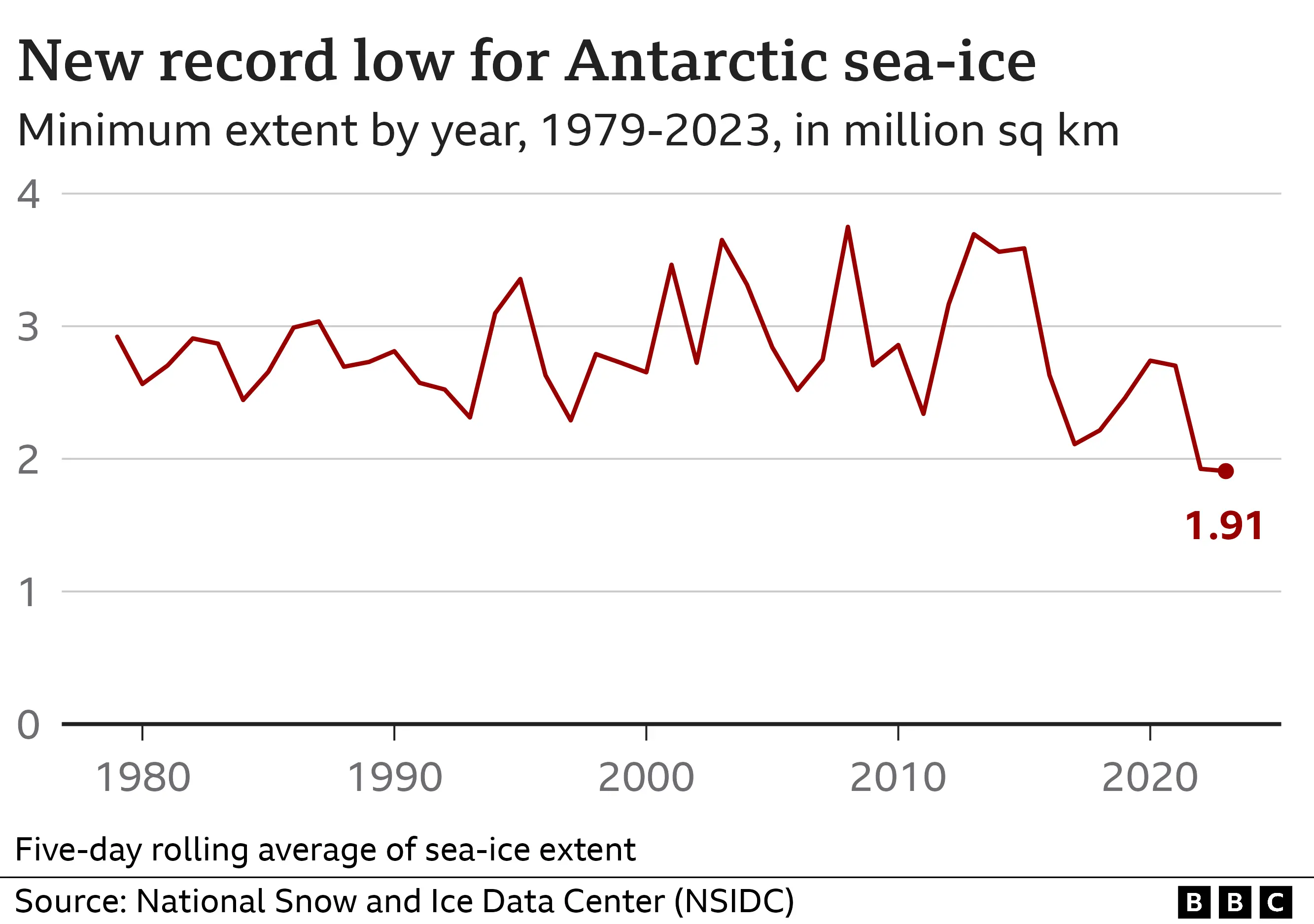
Sea ice extent around Antarctica has shrunk, especially during the austral summer. The reduced albedo effect—less sunlight reflected back into space—further warms the water, feeding a feedback loop that encourages more ice loss. Additionally, changes in the Antarctic Circumpolar Current influence nutrient transport and heat distribution, affecting marine life across the Southern Ocean.
Shifts in Biodiversity
- Penguins: The Adelie penguin, once a common sight along the coast, has seen its breeding colonies relocate inland as sea ice retreats. Some colonies are now nesting on cliffs far from the shore, a behavioral shift that could alter their access to fish.
- Krill: Antarctic krill, the foundation of many food webs, experience altered spawning times and distribution due to temperature changes. This can ripple through the ecosystem, affecting fish, seals, and birds.
- Marine mammals: While some seals have expanded their foraging ranges northward, others face new competition for dwindling prey stocks.
Human Impact and Policy Responses
Industrial activity in the Southern Ocean is limited, yet the global reach of shipping and fishing exerts pressure on Antarctic ecosystems. The 1959 Antarctic Treaty, now supplemented by the Protocol on Environmental Protection, establishes a legal framework to safeguard the continent. However, new challenges arise from increased tourism, research station expansions, and climate-driven resource exploitation.
Scientific Monitoring and Data Gaps
Observatories such as the Antarctic Climate and Surface Processes (ACSP) network provide continuous temperature and ice thickness data. Yet remote interior regions remain under-sampled, leaving gaps in our understanding of subglacial hydrology and potential meltwater reservoirs that could accelerate ice loss.
International Cooperation Efforts
- Joint research programs between the United States, Russia, and Australia focus on modeling ice sheet dynamics.
- The Antarctic Climate and Ecosystem monitoring Network (ACE) coordinates data sharing to improve predictive accuracy.
- Recent amendments to the Environmental Protocol aim to tighten regulations on waste and marine pollution, reflecting the growing urgency of preserving the Antarctic environment.
What the Future Holds for Antarctica
Projections suggest that if global emissions continue on a high trajectory, the Antarctic Peninsula could experience a temperature rise of 3–5 °C by 2100. Under such scenarios, many ice shelves may disintegrate, leading to substantial contributions—up to half a meter—to global sea level rise. In contrast, a stringent global emissions pathway could limit warming to below 2 °C, slowing but not halting current trends.
Adaptation for wildlife hinges on resilience. Some species, like the emperor penguin, have already begun to shift breeding sites, while others may face population declines. The international community’s response—tightening environmental controls and supporting scientific research—will determine how well the continent's ecosystems survive.
Frequently Asked Questions
- Q: Why is Antarctica warming faster than other regions?
A: The continent’s ice-albedo feedback amplifies warming: as ice melts, darker ocean surfaces absorb more heat, accelerating the process.
- Q: How does Antarctic ice melt affect global sea levels?
A: Melting ice sheets add freshwater to oceans, directly raising sea level. Ice shelves act as barriers; once they collapse, glaciers can flow more quickly into the sea.
- Q: Can the Antarctic ecosystem recover if climate change slows?
A: Some species may adapt to new conditions, but rapid loss of ice habitat limits options for many. Long‑term recovery depends on broader global temperature stabilization.