Amway XS vs Red Bull: Which Energy Drink Comes Out on Top?
When the afternoon slump hits, many reach for a quick caffeine fix. Two brands that often spark debate are Amway’s XS Energy Drink and the iconic Red Bull. Both promise a surge of alertness, but they differ in flavor profiles, ingredient lists, price points, and how they affect the body. Below we break down the key factors so you can decide which can best power your day.
Amway XS Energy Drink vs Red Bull: Flavor and Ingredients
Flavor is the first thing you notice, and it sets the tone for the rest of the experience. XS comes in a range of fruit‑forward options—pomegranate, raspberry, and tropical punch—each sweetened with a blend of sucralose and a touch of natural fruit juice. The taste leans toward a candy‑like brightness that many find less bitter than classic energy drinks.
Red Bull sticks to its signature “tangy‑sweet” profile, built around a mix of sugar, taurine, and a subtle citrus note. The original formula uses sucrose and glucose, giving it a slightly syrupy mouthfeel. For those watching sugar intake, Red Bull offers a sugar‑free variant that swaps sweeteners for acesulfame potassium.
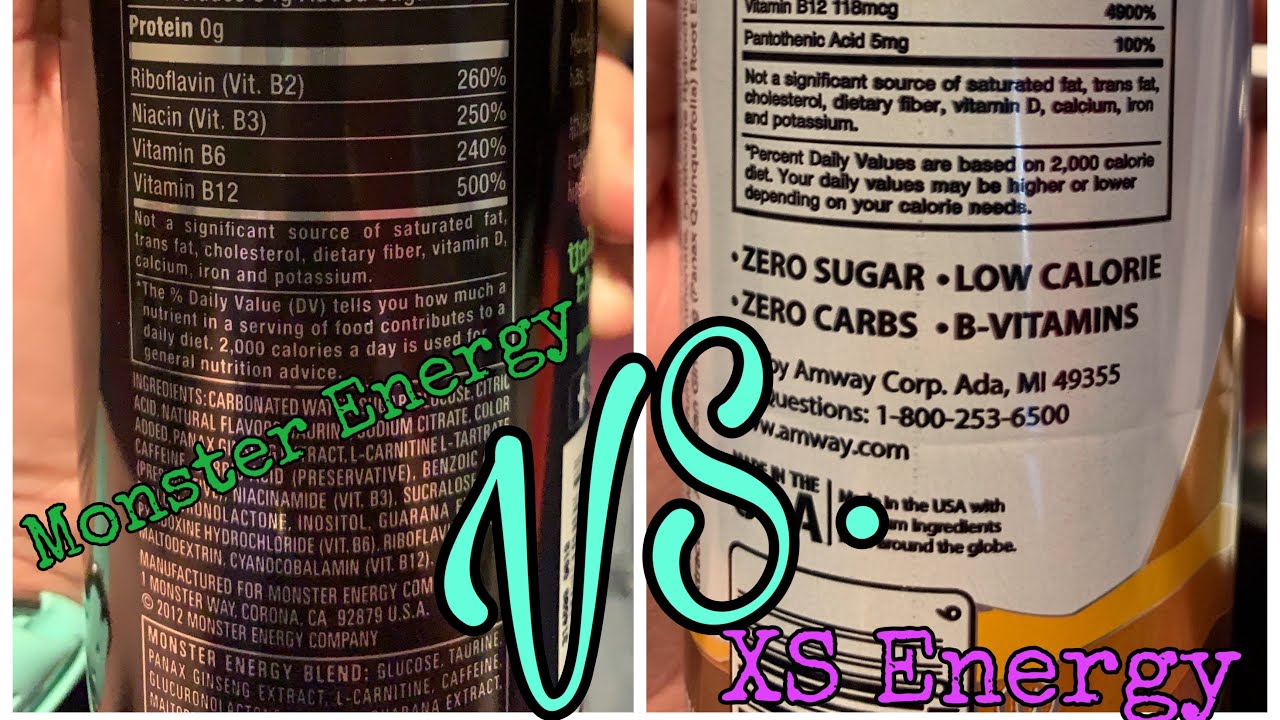
Beyond taste, the ingredient list diverges. XS highlights B‑vitamin complexes (B6, B12, niacin) and adds beta‑alanine for a mild, tingling sensation that some athletes appreciate. Red bull, on the other hand, is famous for its taurine content—about 1,000 mg per 250‑ml can—alongside glucuronolactone and a modest dose of caffeine. If you’re looking for a drink that leans on traditional energy‑drink staples, Red Bull is the go‑to; if you prefer a broader vitamin boost, XS may feel more supportive.
Caffeine Content and Performance Boost
Both drinks deliver a caffeine kick, but the numbers matter. A standard 250‑ml can of Red Bull contains roughly 80 mg of caffeine. XS’s 250‑ml cans pack about 100 mg, nudging the stimulant level a notch higher without crossing the 200 mg “high‑caffeine” threshold that some athletes avoid.
Beyond caffeine, the presence of beta‑alanine in XS can improve muscular endurance by buffering acid buildup during short, intense bursts of activity. Red bull’s taurine is often credited with supporting cardiovascular function and helping the body process caffeine more smoothly, though scientific consensus remains mixed.
In practical terms, if you need a quick mental lift for a meeting or study session, both will work. For a brief workout where you want a little extra muscular stamina, the beta‑alanine in XS might give a subtle edge. Conversely, if you value the classic “energy‑drink” feel that many athletes have grown accustomed to, Red Bull’s formulation remains a reliable choice.
Price, Availability, and Convenience
Cost is a decisive factor for many consumers. Red bull enjoys a global distribution network, making it easy to find in supermarkets, vending machines, and convenience stores. Pricing varies by region, but in the United States a 12‑pack of 8‑oz cans typically runs between $14 and $18.
Amway’s XS, sold primarily through Amway’s direct‑selling channels and select online retailers, can be harder to locate in brick‑and‑mortar stores. However, the per‑can price often lands in the $2‑$2.50 range, comparable to Red bull when bought in bulk. Amway occasionally offers bundle discounts for members, which can bring the price down further.
Convenience-wise, Red bull’s ubiquitous presence gives it a leg up for on‑the‑go purchases. XS’s limited shelf presence means you might need to plan ahead or order online, which could be a drawback if you need an immediate pick‑me‑up.
Health Considerations and Potential Side Effects
Both drinks contain ingredients that most healthy adults can tolerate in moderation, but a few nuances deserve attention. The high caffeine content—especially in XS—can trigger jitters, increased heart rate, or sleep disturbances if consumed late in the day. People sensitive to caffeine should limit intake to a single can.
Red bull’s sugar version adds roughly 27 g of sugar per can, which can contribute to a quick energy spike followed by a crash, not to mention added calories. The sugar‑free variant eliminates this concern but introduces artificial sweeteners, which some prefer to avoid.
XS’s use of sucralose also sidesteps sugar calories, but its beta‑alanine can cause a harmless tingling sensation known as paresthesia—some find it uncomfortable. If you have a medical condition affecting heart rhythm or blood pressure, consult a healthcare professional before regularly consuming any high‑caffeine beverage.
Overall Verdict: Which One Wins?
Choosing between Amway XS Energy Drink and Red bull ultimately hinges on what you value most. If you prioritize a broader vitamin blend, slightly higher caffeine, and a fruitier taste, XS edges ahead. It also offers a modest performance benefit for short, high‑intensity activities thanks to beta‑alanine.
If you favor a time‑tested formula, easy access, and the familiar “energy‑drink” flavor, Red bull remains a solid pick. Its taurine and sugar‑free options make it versatile for a range of dietary preferences.
In the end, neither drink is a magic solution; both are best used as occasional boosters rather than daily staples. Pay attention to your caffeine tolerance, read the label for sugar or sweetener content, and match the drink to the situation—whether that’s a long study session, a quick sprint, or simply a craving for a fizzy pick‑me‑up.
FAQ
- Is the caffeine in XS higher than in Red Bull? Yes, a 250‑ml can of XS typically contains about 100 mg of caffeine, while Red bull has around 80 mg.
- Can I drink either brand before a workout? Both are safe for most healthy adults, but XS’s beta‑alanine may give a slight endurance benefit, whereas Red bull’s taurine is more about supporting overall energy metabolism.
- Which option has fewer calories? The sugar‑free versions of both drinks contain minimal calories, but the regular Red bull has about 110 calories per can from sugar, while XS’s standard formula stays under 10 calories thanks to artificial sweeteners.
- Are there any long‑term health risks? Regular excessive consumption of any high‑caffeine beverage can lead to sleep issues, increased heart rate, or dependence. Moderation and awareness of personal tolerance are key.