Adenoid Tumors: What Causes Them and How They're Treated
Adenoid tumors, though uncommon, arise from the adenoid tissue located in the nasopharynx behind the nose and upper throat. These growths can be benign, such as adenoid hyperplasia, or malignant, like adenoid cystic carcinoma. Understanding why they develop, how they’re detected, and the modern therapies available is crucial for patients and clinicians alike.
What Are Adenoid Tumors?
The adenoid, also called the pharyngeal tonsil, is part of the immune system. It filters bacteria that enter through the nose and throat. Tumors here can disrupt normal airflow and lymphatic drainage, leading to symptoms such as snoring, mouth breathing, or frequent infections.
Common Causes and Risk Factors
Because adenoid tumors are rare, the exact triggers are still being studied. However, several factors appear to increase risk:
- Genetic predisposition: Certain hereditary syndromes, like Li‑Fraumeni or Lynch syndrome, are associated with higher rates of head‑and‑neck cancers.
- Environmental exposures: Chronic inhalation of irritants—tobacco smoke, industrial fumes, or indoor pollutants—may contribute to cellular changes.
- Infections: Repeated viral or bacterial infections can cause chronic inflammation, a known driver of tumorigenesis.
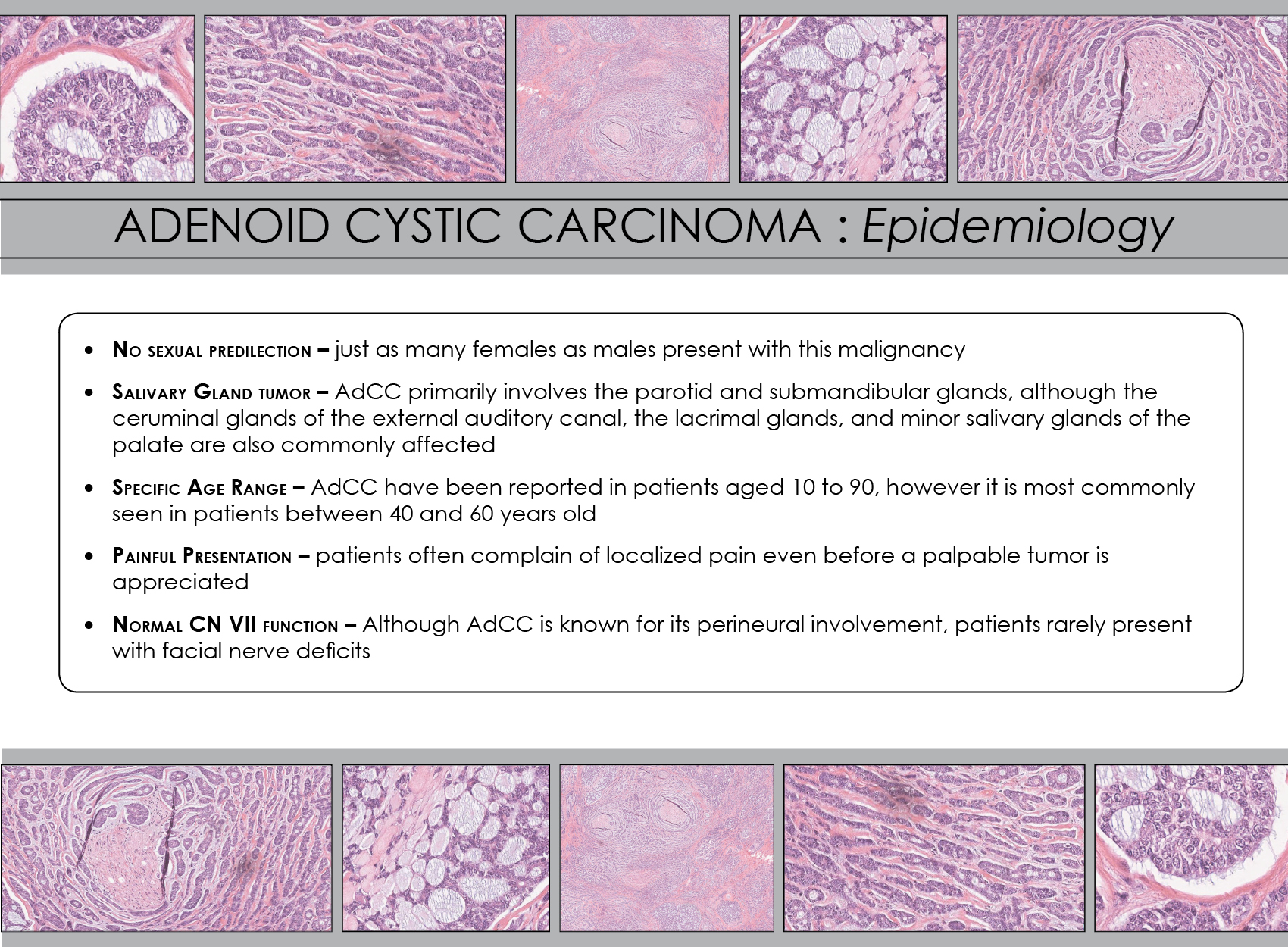
- Age and sex: Adenoid cystic carcinoma most often affects adults in their 40s to 60s and shows a slight female predominance.
Recognizing Symptoms
Early-stage tumors may cause no noticeable signs. When symptoms do appear, they can include:
- Chronic nasal congestion or a persistent cough
- Difficulty swallowing or a sensation of a lump in the throat
- Unexplained weight loss or fatigue in more advanced disease
- Hearing problems due to Eustachian tube blockage
Because these symptoms overlap with common ENT conditions, a high index of suspicion is essential for timely referral.
Diagnosing Adenoid Tumors
Accurate diagnosis relies on a combination of imaging and tissue sampling:
- Imaging: MRI provides detailed soft‑tissue contrast, while CT can assess bone involvement. PET scans help detect distant metastases.
- Biopsy: Endoscopic-guided fine‑needle or core needle biopsies are the gold standard for histologic confirmation. Pathology will classify the tumor as benign or malignant and identify its subtype.
- Laboratory tests: In rare cases, tumor markers such as CA‑125 or alpha‑fetoprotein may be elevated, but they are not specific.
Treatment Options
The management plan depends on tumor type, stage, and patient health. Common strategies include:
- Resective surgery: Endoscopic or open approaches remove the tumor and surrounding tissue. For benign lesions, a simple polypectomy may suffice; for malignancies, a more extensive resection is required.
- Radiation therapy: External beam radiation targets residual microscopic disease after surgery or serves as definitive treatment for unresectable tumors.
- Chemotherapy: Agents such as cisplatin or carboplatin can be used in combination with radiation for advanced cancers.
- Targeted therapies: Emerging drugs that inhibit specific molecular pathways—e.g., tyrosine kinase inhibitors—hold promise, especially in tumors with identified driver mutations.
- Immunotherapy: Checkpoint inhibitors like pembrolizumab are being investigated in clinical trials for head‑and‑neck cancers, including those arising in adenoid tissue.
Managing Side Effects
Each modality has potential complications. Surgical patients may experience sore throat, voice changes, or swallowing difficulties. Radiation can cause mucositis, xerostomia, and, rarely, long‑term cranial nerve deficits. Chemotherapy often leads to nausea, fatigue, or peripheral neuropathy. Early intervention with speech therapy, dietary counseling, and pain control can improve quality of life.
Prognosis and Follow-Up
Prognosis varies widely. Benign tumors typically have excellent outcomes with complete excision. Malignant adenoid tumors, depending on stage, may have a 5‑year survival rate ranging from 50% to 80%. Key factors include tumor grade, margin status, and presence of metastases. Regular follow-up—clinical exams, imaging, and audiometric tests—is essential to detect recurrence early.
FAQ
Q: How often do adenoid tumors recur after surgery?
A: Recurrence rates depend on tumor type. Benign lesions rarely recur if fully excised. For malignant tumors, a 10–20% recurrence within five years has been reported, emphasizing the need for close surveillance.
Q: Can lifestyle changes reduce the risk of developing adenoid tumors?
A: Avoiding tobacco smoke, reducing exposure to occupational irritants, and maintaining a healthy immune system may lower risk, though definitive evidence is limited due to the rarity of the condition.
Q: Is genetic testing recommended for patients with adenoid tumors?
A: Genetic counseling may be considered if the patient has a family history of head‑and‑neck cancers or known hereditary syndromes. Identifying germline mutations can guide surveillance for other malignancies.
Q: Are there non‑invasive treatment options for early‑stage malignant adenoid tumors?
A: In select cases, stereotactic radiosurgery or proton therapy can be used to minimize damage to surrounding tissues, but surgical resection remains the standard of care for most patients.