1990 Mazda Miata Review: Why This Classic Sports Car Still Thrills
The 1990 Mazda Miata, officially known as the MX‑5, debuted at a time when affordable roadsters were a rarity. Decades later, its lightweight chassis, balanced handling, and pure‑joy driving feel keep it firmly on enthusiasts' wish lists. If you’re wondering whether this first‑generation model can still hold its own against modern rivals, this review breaks down the design, performance, and ownership realities that define the 1990 Mazda Miata.
Design and Build Quality: Simple Elegance
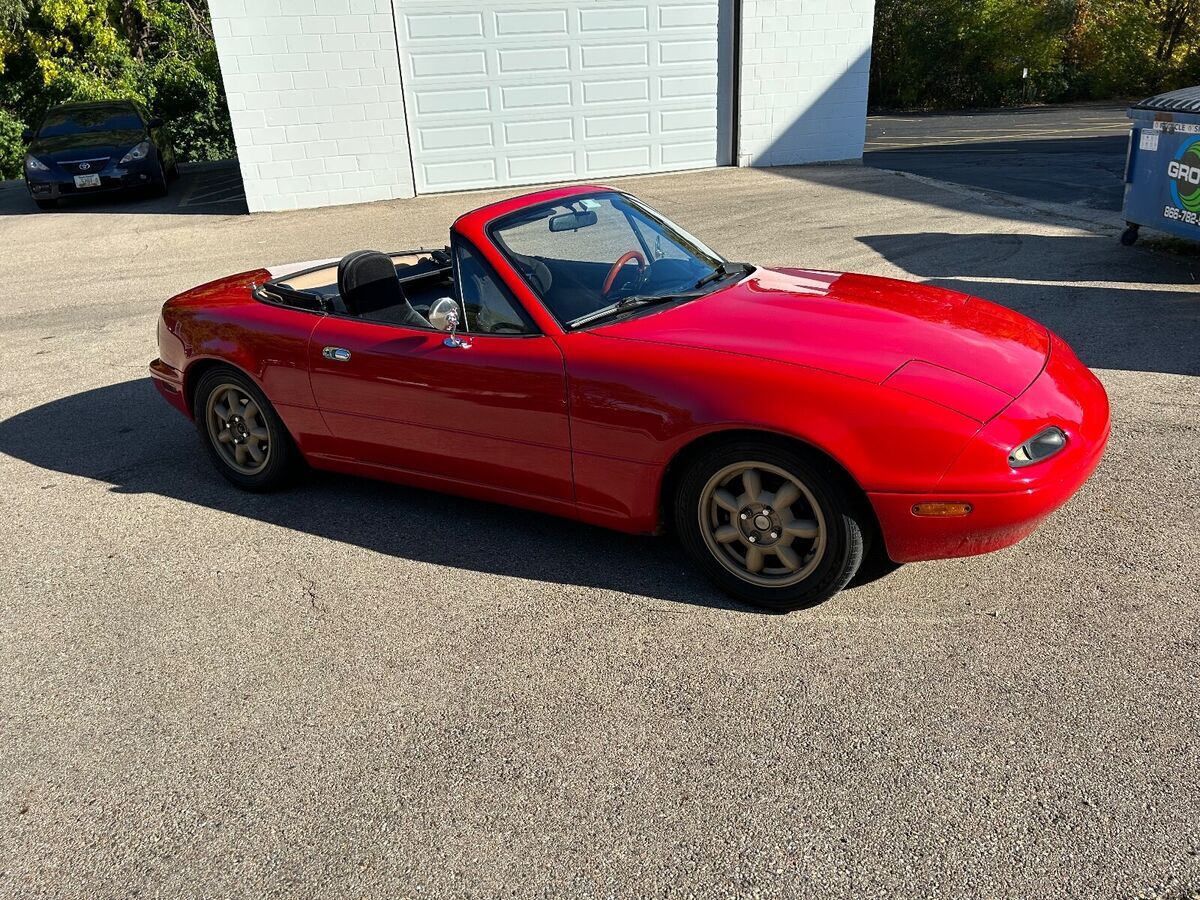
From the moment you see the 1990 Miata, the design’s purpose‑driven minimalism is clear. A long, low hood sits over a modest 1.6‑liter engine, while the short rear deck and pop‑up headlights give it a distinctive, almost playful silhouette. Inside, the cabin is stripped down to essentials: a three‑spoke steering wheel, analog gauges, and cloth‑wrapped seats that hug the driver without feeling cramped.
Despite its modest price tag when new, the Miata’s build quality feels surprisingly solid. The body panels are thin but well‑aligned, and the chassis uses a mix of high‑strength steel and aluminum that keeps weight under 2,200 pounds. That lightweight construction isn’t just about performance; it also means the car feels responsive even on city streets.
Engine and Performance: Modest Power, Big Fun
The heart of the 1990 Miata is a 1.6‑liter inline‑four that churns out about 116 horsepower at 6,500 rpm. While those numbers look tame next to today’s turbocharged six‑cylinders, the engine’s high‑revving nature and smooth power delivery make it a joy to push toward the redline.
Torque peaks at just 100 Nm, which means low‑end pull isn’t the car’s strong suit. Instead, the Miata thrives when you’re in the sweet spot of 4,000‑6,000 rpm, where the engine sings and the lightweight chassis translates that energy into lively acceleration. A five‑speed manual gearbox offers crisp shifts, reinforcing the car’s driver‑centric ethos.
Driving Experience: The Essence of “Jinba Ittai”
Japanese automakers coined the term “jinba ittai” to describe the harmony between horse and rider. In the Miata, that harmony manifests as a front‑mid‑engine, rear‑wheel‑drive layout that delivers near‑perfect weight distribution. The result is a car that feels planted in corners, with minimal understeer and a steering feel that’s both precise and communicative.
On twisty roads, the Miata’s short wheelbase and quick steering return make each turn a conversation rather than a command. The lack of electronic aids—no traction control, no stability program—means you’re fully in charge, which can be exhilarating for seasoned drivers but a bit demanding for beginners.
Reliability and Ownership Costs: An Affordable Classic
One of the Miata’s most appealing traits is its reputation for reliability. The 1.6‑liter engine, when maintained with regular oil changes and timely belt replacements, can easily exceed 200,000 miles. Common issues, such as rust on the rear wheel arches or occasional soft‑top leaks, are generally inexpensive to address.
Parts availability is a surprise advantage; Mazda’s continued production of MX‑5 components means you can often find OEM replacements at reasonable prices. Insurance costs stay low thanks to the car’s modest power output, and fuel economy hovers around 25‑30 mpg combined—good enough for a weekend cruiser that won’t drain your wallet.
Pros and Cons
- Pros: Light weight, superb handling, iconic design, reliable engine, relatively low running costs.
- Cons: Limited power for highway merging, basic interior amenities, potential rust on older bodies, manual transmission may deter some buyers.
Is the 1990 Miata Right for You?
If you value pure driving pleasure over raw horsepower, the 1990 Mazda Miata makes a compelling case. It’s best suited for drivers who enjoy a hands‑on experience, appreciate a car that rewards skill, and don’t mind occasional DIY maintenance. For those seeking modern comforts—advanced infotainment, driver‑assist tech, or a V6 roar—the Miata may feel a bit spartan, but that very spartan nature is what many owners celebrate.
In the resale market, well‑maintained examples often fetch prices that reflect their collectible status, especially those with low mileage or factory‑original soft tops. Buying a Miata can be an entry point into the classic sports car world without the sky‑high price tag of a vintage Porsche or Jaguar.
Frequently Asked Questions
Q: How does the 1990 Miata compare to later MX‑5 generations?
A: The first‑gen Miata is lighter and offers a more raw, analog driving feel. Later models add power and comfort but also weigh more, which can dilute the original’s nimbleness.
Q: What is the typical maintenance schedule for a 1990 Miata?
A: Aside from standard oil changes every 5,000‑7,500 miles, owners should inspect the timing belt around 60,000 miles, check for rust in the wheel arches annually, and replace the soft‑top seals every few years to prevent leaks.
Q: Can the 1990 Miata handle daily commuting?
A: Yes, especially in urban settings. Its compact size makes parking easy, and fuel economy keeps commuting costs low. However, highway merging may require extra caution due to modest acceleration.
Q: Are aftermarket upgrades worth considering?
A: Many owners add performance exhausts, upgraded suspensions, or a larger 1.8‑liter engine swap for extra power. While these can enhance performance, they may affect the car’s classic status and resale value, so weigh personal enjoyment against potential market impact.